Utility Caps for Rental Properties and Airbnbs: Smart Strategy or Bad Idea?
For years, many landlords treated utilities as a simple operating expense.
Electricity.
Water.
Gas.
Internet.
Just another cost of doing business.
But over the last few years, utility bills have become much less predictable.
Energy costs fluctuate.
Water rates increase.
Air conditioning runs harder during extreme weather.
And guests staying in short-term rentals often have very different consumption habits than homeowners.
As a result, more property owners are starting to ask:
“Should I put a cap on utilities?”
It’s a question that comes up increasingly often among:
- long-term landlords
- Airbnb hosts
- vacation rental owners
- and investors managing multiple properties
And honestly, there’s no one-size-fits-all answer.
What Is a Utility Cap?
A utility cap is exactly what it sounds like.
The landlord agrees to cover utility expenses up to a certain amount.
Once usage exceeds that amount, the tenant or guest becomes responsible for the difference.
For example:
A lease may include:
- electricity up to $150 per month
- water up to $75 per month
- internet fully included
If the tenant uses more than the agreed limit, they pay the overage.
The concept is simple.
But the impact can be significant.
Why More Landlords Are Considering Utility Caps
The biggest reason is cost control.
When utilities are completely included, there is often little incentive for occupants to think about consumption.
And honestly, that’s human nature.
If someone else is paying the bill, people naturally become less concerned about:
- leaving lights on
- running the air conditioning constantly
- taking longer showers
- excessive heating usage
Most tenants are reasonable.
Most guests are too.
But landlords occasionally encounter situations where utility consumption becomes surprisingly expensive.
And when margins are already being squeezed by:
- insurance premiums
- maintenance costs
- property taxes
- financing costs
…unexpected utility spikes can have a noticeable impact on profitability.
The Insurance Angle Most Landlords Miss
Here’s something most utility cap conversations skip entirely.
Utility caps don’t just affect your operating costs.
They can affect your insurance coverage.
Most landlord insurance policies include what’s called a freezing exclusion.
In plain terms, that usually means:
- water damage from a frozen pipe typically isn’t covered unless heat was maintained in the property
- or the water supply was shut off if the unit sat vacant
- and if a rental sits empty for an extended stretch — between tenants, or during the off-season for a short-term rental — some policies limit coverage further unless you’ve added a vacancy endorsement
Sounds simple.
But here’s where it gets complicated.
If a tenant is capped on heating costs and turns the thermostat down to avoid an overage, or a host restricts heat between bookings to save money, that can quietly turn into a dispute over whether the damage is covered — and if it is, whether you can recover the cost from the tenant.
And frozen pipes aren’t a minor claim.
A single burst pipe can mean:
- a repair bill running into the thousands
- weeks of restoration work
- a rental that isn’t generating income while it’s out of service
The cap that was supposed to protect your margins ends up threatening something bigger.
Before setting any utility cap, it’s worth checking your policy for two things: what it requires during vacancies or cold snaps, and whether it includes a vacancy endorsement if your property sits empty between tenants or bookings.
Get a free landlord insurance quote →
If your current policy doesn’t clearly cover vacancy or freezing risk, it might be worth comparing rates. Coverlyn partners with Steadily to get you a free quote in minutes, built specifically for rental properties.
Utility Caps Are Especially Common in Short-Term Rentals
This is where the conversation becomes more interesting.
Short-term rental guests don’t think like homeowners.
They’re on vacation.
Or traveling for work.
Or attending events.
And understandably, energy efficiency isn’t usually at the top of their priority list.
Guests may:
- leave air conditioning running while they’re out
- keep lights on continuously
- charge multiple devices
- use pools and hot tubs extensively
Again, none of this is malicious.
It’s simply different behavior than someone paying their own monthly utility bill.
This is one reason some Airbnb hosts and vacation rental owners have started exploring utility caps or usage-monitoring systems.
Particularly in:
- large homes
- luxury properties
- vacation destinations
- and markets with high energy costs
The Challenge of Utility Caps in Airbnbs
Here’s the difficult part.
Utility caps work much better in long-term rentals than they do in short-term rentals.
Why?
Because calculating overages for a tenant living somewhere all month is relatively straightforward.
Calculating excess utility usage for a guest staying four nights is much more complicated.
And from a guest experience standpoint, overly restrictive utility rules can create problems.
Imagine booking a vacation rental and finding:
- strict air conditioning limits
- heating restrictions
- excessive utility fees
That can quickly lead to:
- negative reviews
- guest complaints
- booking friction
Which is why many successful STR operators focus on efficiency improvements instead of direct utility caps.
Alternatives to Utility Caps
Many landlords find better results by reducing consumption rather than restricting it.
For example:
- smart thermostats
- LED lighting
- water-efficient fixtures
- energy-efficient appliances
- occupancy sensors
- improved insulation
These upgrades often reduce utility costs without creating tension with tenants or guests.
And unlike utility caps, they work automatically.
The upfront investment may be higher.
But the long-term savings can be substantial.
Transparency Matters
If a landlord decides to implement utility caps, clarity becomes critical.
Nothing creates conflict faster than surprise charges.
Tenants should understand:
- exactly what utilities are included
- the monthly cap amount
- how overages are calculated
- when charges apply
The same principle applies to vacation rentals.
Guests generally respond well to clear expectations.
They respond much less favorably to unexpected fees discovered after checkout.
Can Utility Caps Affect Property Appeal?
Potentially.
Some renters specifically look for all-inclusive housing because they want predictable monthly expenses.
In highly competitive rental markets, strict utility caps can occasionally make a property less attractive compared to similar options.
This doesn’t mean utility caps are a bad idea.
It simply means landlords should consider the local market before implementing them.
A strategy that works perfectly in one market may create friction in another.
What About Rising Energy Costs?
One reason utility caps are becoming more common is that landlords simply have less certainty around future costs.
Utility expenses have become harder to predict.
And unlike rent, utility costs can fluctuate significantly throughout the year.
This uncertainty makes many investors uncomfortable carrying unlimited exposure.
Particularly for:
- furnished rentals
- student housing
- house hacking arrangements
- and short-term rental properties
The larger the property, the greater the potential utility risk.
The Bottom Line
Utility caps are becoming more popular because landlords are looking for ways to control operating expenses without dramatically increasing rents.
In long-term rentals, utility caps can help create a fair balance between landlord and tenant responsibilities.
In short-term rentals, however, the situation becomes more nuanced.
Many hosts find that investing in efficiency upgrades, smart technology, and clear guest communication produces better results than aggressively limiting utility usage.
At the end of the day, the goal isn’t simply reducing utility bills.
It’s maintaining profitability while still delivering a good experience for tenants and guests.
If you own rental property or operate short-term rentals through Airbnb or other vacation rental platforms, it’s worth reviewing how utility costs fit into your overall operating strategy.
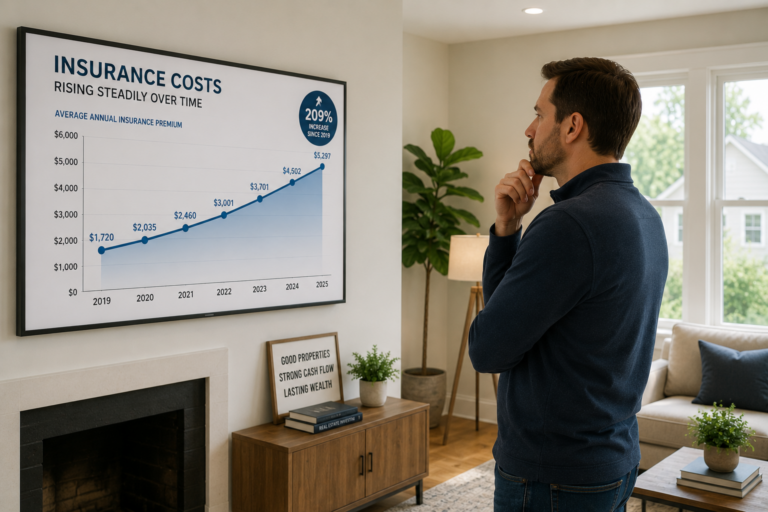
Managing utility expenses effectively can help protect cash flow, especially as insurance premiums, maintenance costs, and other property expenses continue rising.