Tornado Damage and Rental Properties: What Insurance Actually Covers
Most landlords think about common rental property risks like:
- water damage
- tenant issues
- liability claims
- or appliance failures
But in certain parts of the United States, severe storms create an entirely different level of financial exposure.
And tornadoes sit near the top of that list.
Because unlike many maintenance-related problems, tornado damage is rarely small.
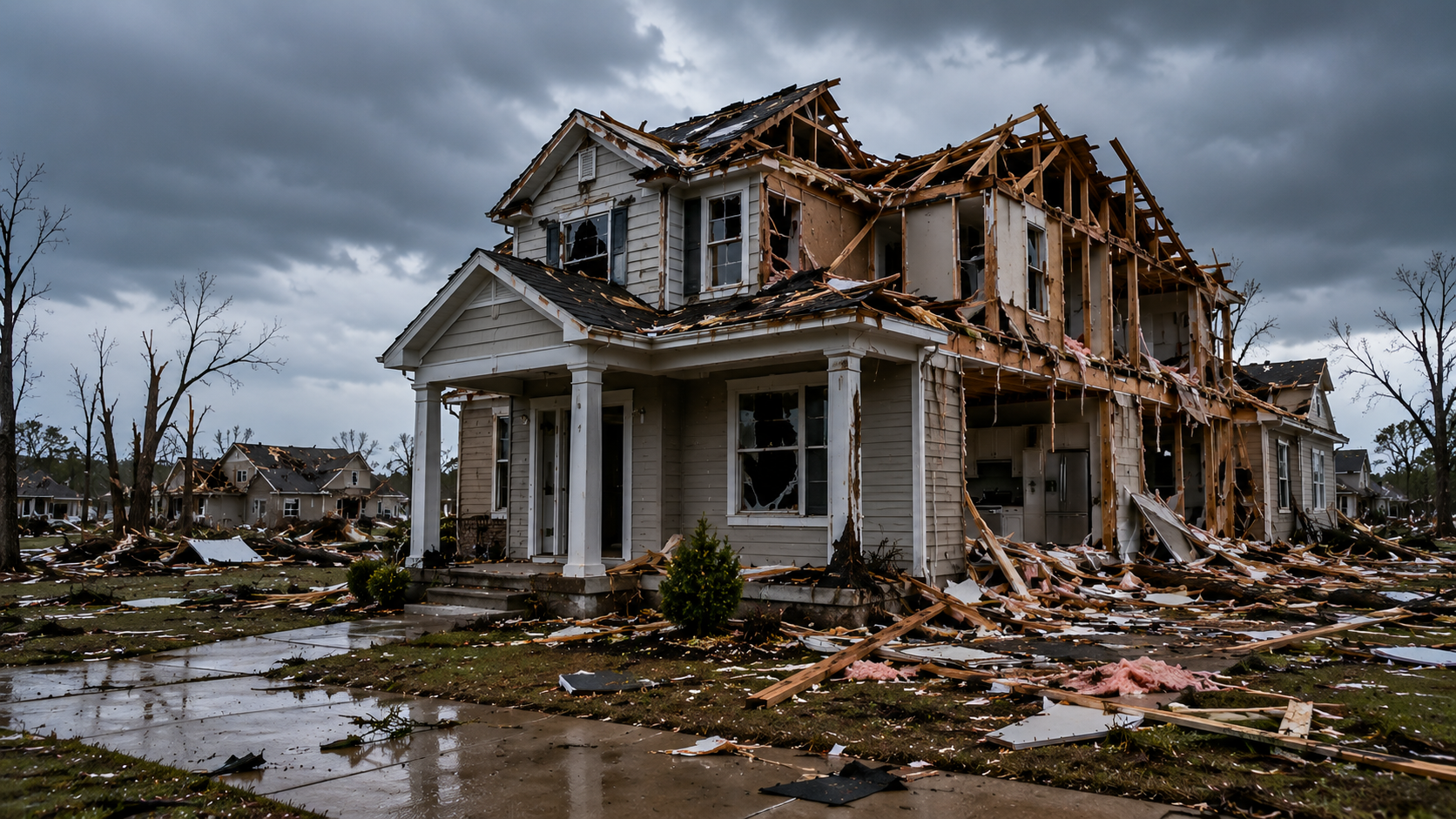
One storm can:
- rip apart roofs
- destroy windows
- flood interiors
- collapse structures
- and leave a rental property completely uninhabitable within minutes
Which naturally leads many landlords and STR owners to ask:
Does landlord insurance actually cover tornado damage?
In many cases, yes.
But like most insurance questions, the details matter a lot more than the simple headline answer.
Does Landlord Insurance Usually Cover Tornado Damage?
Generally speaking, landlord insurance policies often cover tornado-related damage under standard “windstorm” or “storm damage” protections.
That can include damage caused by:
- high winds
- debris impact
- structural destruction
- fallen trees
- and certain storm-related losses
For example:
if a tornado tears off part of the roof or causes severe structural damage to a rental property, landlord insurance may help cover:
- repair costs
- rebuilding expenses
- detached structures
- and sometimes even temporary loss of rental income
This is one reason property insurance is so important in tornado-prone states.
Because storm damage repairs can become financially overwhelming very quickly.
But Coverage Is Not Always As Simple As People Think
This is where landlords sometimes misunderstand their policies.
A tornado itself may be covered.
But secondary damage related to the tornado may involve different policy rules.
For example:
wind damage and flooding are often treated separately.
So if a tornado damages the property and heavy flooding follows afterward, flood-related losses may not automatically fall under the standard landlord policy unless separate flood insurance exists.
And honestly, this is one of the biggest coverage gaps property owners discover after major storms.
Especially in areas experiencing:
- severe rainfall
- flash flooding
- storm surge
- or drainage overflow after tornado activity
Tornado Damage Can Create Multiple Financial Problems at Once
This is something many first-time landlords underestimate.
The damage is not just about repairing the building itself.
After a major tornado event, landlords may also face:
- months of vacancy
- interrupted rental income
- emergency cleanup costs
- temporary tenant displacement
- code upgrade requirements
- debris removal expenses
- and contractor shortages
In large regional storms, repair demand spikes dramatically.
Which often means:
- higher labor costs
- longer repair timelines
- and delayed rebuilding
Meanwhile:
mortgages, taxes, utilities, and maintenance expenses usually continue regardless of whether the property is producing income.
This becomes especially stressful for landlords relying heavily on rental cash flow.
Why Tornado Risk Matters More for STR Properties
Short-term rental owners face additional complexity after severe weather events.
Properties listed through Airbnb or VRBO often depend on:
- constant occupancy
- seasonal travel demand
- and uninterrupted booking calendars
A tornado-related shutdown during peak season can immediately create:
- canceled reservations
- refund obligations
- lost income
- and operational disruption
And while some platforms offer limited host protections, those programs are not designed to fully replace dedicated landlord or STR insurance coverage.
That distinction becomes very important during large-scale storm events involving major structural damage.
Learn more about getting insurance coverage for your short-term rental property.
Certain States Face Much Higher Tornado Exposure
Landlords operating in parts of:
…and other areas within “Tornado Alley” naturally face higher wind-related insurance exposure.
Insurance companies already account for this geographic risk when pricing policies.
Which is why landlords in tornado-prone regions often see:
- higher premiums
- separate wind deductibles
- or stricter underwriting requirements
In some cases, insurers may even reduce coverage availability in high-risk areas after repeated catastrophic storm seasons.
What Landlords Should Review in Their Policies
A surprising number of landlords never fully review storm coverage details until after severe weather hits.
That becomes risky because policy language around wind and storm losses can vary significantly between insurers.
At minimum, landlords should understand:
- windstorm deductibles
- replacement cost terms
- roof coverage limitations
- flood exclusions
- vacancy clauses
- loss-of-rental-income protection
- and coverage for detached structures
Especially for vacation rental operators.
Because STR properties sometimes involve additional underwriting conditions related to occupancy frequency and commercial usage.
The Cost of Being Underinsured After a Tornado
This is the difficult part.
Major storm losses rarely stay small.
Even moderate tornado damage can quickly escalate into:
- tens of thousands of dollars
- or far more for severe structural destruction
And once widespread storms hit a region, rebuilding costs often rise further due to:
- labor shortages
- material price increases
- and emergency repair demand
Which means landlords carrying minimal coverage or outdated policy limits sometimes discover their protection no longer matches actual rebuilding costs.
The Bottom Line
In many cases, landlord insurance does help cover tornado-related damage.
But the real protection depends on:
- the exact policy structure
- whether flood coverage exists
- property location
- and how the rental is being used
For landlords and STR hosts alike, tornado risk is not just about the storm itself.
It is about everything that happens financially afterward:
- repairs
- vacancy
- lost income
- tenant displacement
- and long rebuilding timelines
That is why reviewing storm coverage before severe weather season matters much more than most property owners realize.
If you own rental property or operate short-term rentals through Airbnb or other vacation rental platforms, reviewing your storm and wind coverage regularly can help reduce major financial exposure after severe weather events.
The right landlord or STR insurance policy should protect not just the building itself, but also the income attached to the property when unexpected damage happens.
Whether you own a long-term rental, vacation home, or Airbnb property, comparing landlord insurance options only takes a minute and could save you from expensive surprises later.Protect Your Rental Property With the Right Coverage