Why Every Landlord Needs Liability Insurance Protection
Most landlords worry about property damage.
A leaking pipe.
A broken appliance.
A storm-damaged roof.
Those are the risks most people naturally think about when buying landlord insurance.
But in reality, some of the most expensive claims landlords face have nothing to do with the property itself.
They come from lawsuits.
And honestly, it doesn’t take a dramatic situation for a lawsuit to happen.
A tenant slips on an icy walkway.
A visitor gets injured on the property.
A railing collapses.
A dog bites someone.
A maintenance issue goes unresolved and someone gets hurt.
Suddenly, the landlord isn’t dealing with a repair bill anymore.
They’re dealing with:
- attorneys
- court costs
- medical expenses
- settlement negotiations
- and potentially tens of thousands of dollars in liability exposure
This is exactly why liability coverage exists.
What Is Liability Coverage for Landlords?
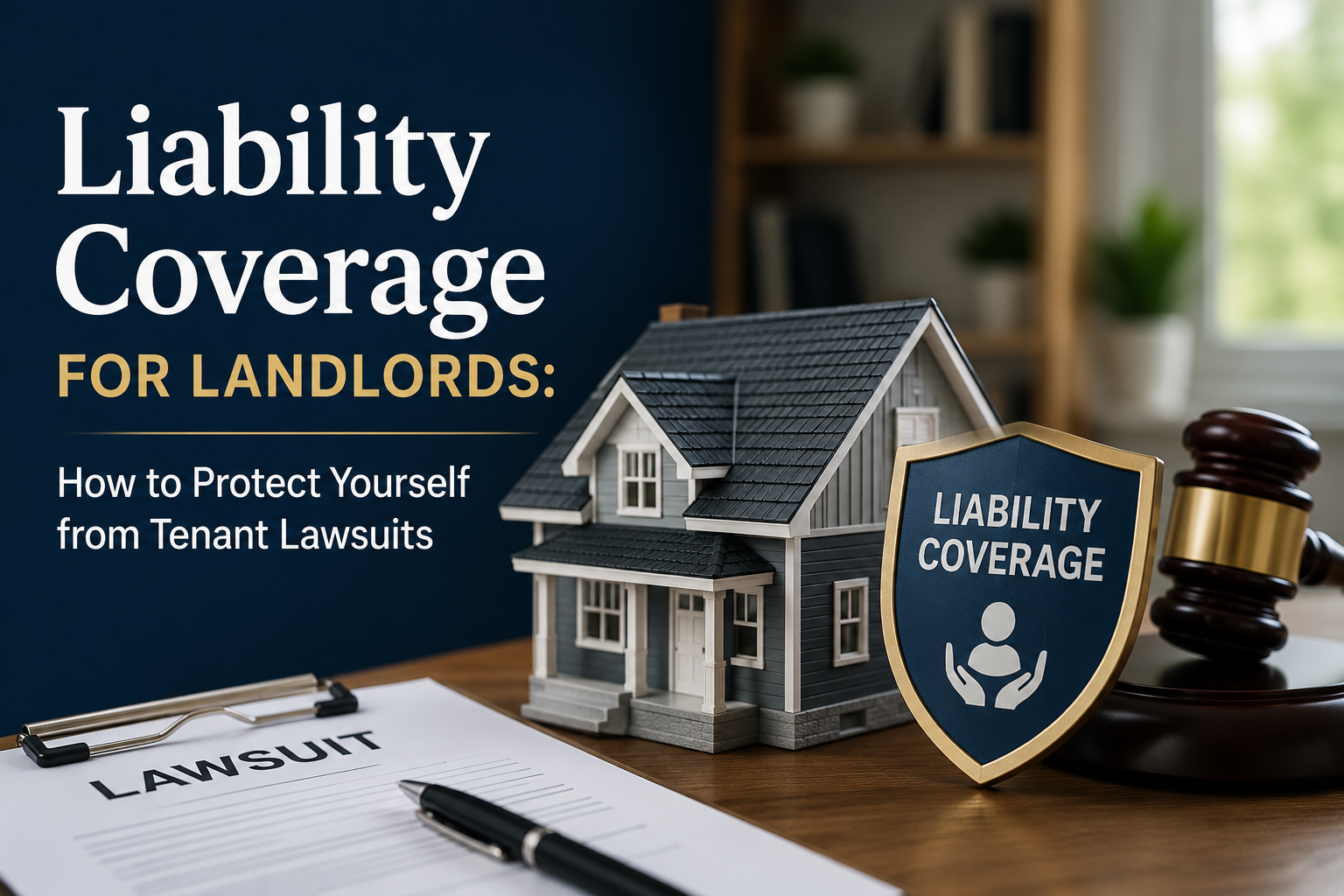
Liability coverage is the portion of a landlord insurance policy designed to help protect property owners when someone claims they were injured or suffered financial harm because of the rental property.
In simple terms:
Property coverage protects the building.
Liability coverage helps protect the landlord.
If a covered claim occurs, liability insurance may help pay for:
- legal defense costs
- attorney fees
- court expenses
- medical bills
- settlements
- judgments awarded by a court
Depending on the policy limits, these costs can add up very quickly.
And unlike repairing a damaged appliance, lawsuits rarely have predictable price tags.
Why Tenant Lawsuits Are More Common Than Many Landlords Think
Most landlords have good relationships with their tenants.
Most tenants never file lawsuits.
But rental properties naturally create situations where liability claims can occur.
For example:
- slips and falls
- inadequate lighting
- broken handrails
- unsafe stairways
- loose flooring
- falling tree branches
- neglected maintenance issues
Even when a landlord believes they did nothing wrong, defending against a lawsuit can still become expensive.
That’s an important distinction.
Many landlords assume:
“If I’m not at fault, I have nothing to worry about.”
But legal defense costs start accumulating long before fault is determined.
In many cases, simply defending yourself can cost thousands of dollars.
A Small Injury Can Become a Big Financial Problem
This is where liability coverage becomes incredibly valuable.
Imagine a tenant slips on ice outside the property during winter.
The injury results in:
- emergency medical treatment
- follow-up care
- missed work
- and legal action against the landlord
Even if the final settlement is relatively modest, the combination of:
- medical costs
- attorney fees
- expert witnesses
- court expenses
…can quickly become financially overwhelming for an uninsured landlord.
According to the Insurance Information Institute, liability claims involving bodily injury can result in substantial legal and settlement costs, making liability protection one of the most important parts of a landlord insurance policy.
Liability Claims Aren’t Limited to Tenants
This is another common misconception.
Landlord liability coverage isn’t only about tenants.
It may also help protect against claims involving:
- visitors
- delivery drivers
- contractors
- maintenance workers
- guests staying at the property
For example:
A visitor trips on a damaged walkway.
A contractor is injured due to a hazardous condition.
A guest suffers an injury related to a maintenance issue.
The person filing the claim doesn’t necessarily need to be the tenant.
The key question often becomes whether the landlord may be legally responsible for the unsafe condition.
Why This Matters Even More for Short-Term Rentals
Short-term rental properties create additional exposure simply because more people pass through the property.
Properties listed through:
- Airbnb
- VRBO
- vacation rental platforms
typically experience:
- higher guest turnover
- more visitors
- increased activity
- and greater opportunities for accidents
Most guests are respectful and incidents are rare.
But when dozens or even hundreds of people stay at a property each year, the chances of something eventually going wrong naturally increase.
This is one reason many STR owners carry specialized landlord or vacation rental insurance instead of relying solely on standard homeowners policies.
Get a quote for STR insurance right now.
What Liability Coverage Usually Doesn’t Cover
Like all insurance, liability coverage has limits.
Policies typically do not cover:
- intentional acts
- criminal behavior
- normal wear and tear
- business activities outside policy terms
- certain excluded risks listed in the policy
Coverage details vary significantly between insurers.
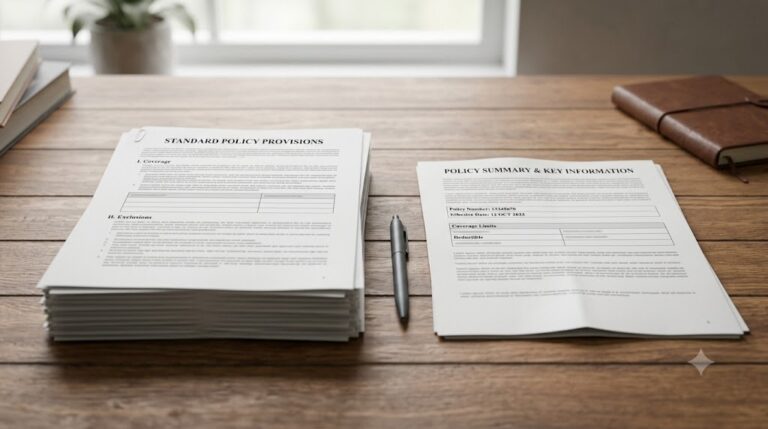
Which is why landlords should review:
- liability limits
- exclusions
- deductibles
- and policy endorsements
before assuming they are fully protected.
How Much Liability Coverage Should a Landlord Have?
There isn’t one perfect answer.
The right amount depends on:
- property value
- location
- number of units
- personal assets
- rental strategy
- and overall risk tolerance
However, many experienced investors focus less on minimum requirements and more on worst-case scenarios.
Because the purpose of liability coverage isn’t handling small claims.
It’s protecting against financially devastating ones.
For landlords with multiple properties or significant assets, umbrella insurance is sometimes used to provide additional liability protection beyond standard policy limits.
The Best Way to Avoid Lawsuits Is Still Prevention
Insurance is important.
But prevention remains the first line of defense.
Landlords can reduce liability risk by:
- responding to maintenance requests quickly
- conducting regular inspections
- documenting repairs
- maintaining safe walkways
- addressing hazards immediately
- keeping proper records
Many lawsuits begin with problems that could have been fixed long before someone got hurt.
Good property management often reduces both claims frequency and insurance costs over time.
The Bottom Line
Most landlords spend a lot of time thinking about protecting their property.
But protecting yourself financially is just as important.
Because while a damaged roof might cost a few thousand dollars to repair, a serious liability lawsuit can create financial consequences that follow a landlord for years.
That’s why liability coverage is often one of the most valuable parts of a landlord insurance policy.
Not because lawsuits happen every day.
But because when they do happen, the costs can become much larger than most landlords expect.
If you own rental property or operate short-term rentals through Airbnb or other vacation rental platforms, reviewing your liability coverage regularly can help ensure you’re protected against one of the biggest financial risks landlords face.
The right landlord insurance policy doesn’t just protect the building. It helps protect the person who owns it too.
Whether you own a long-term rental, vacation home, or Airbnb property, comparing landlord insurance options only takes a minute and could save you from expensive surprises later.Protect Your Rental Property With the Right Coverage