Rental Property Insurance: What It Is, What It Covers & Why You Need It
Owning a rental property can be a great way to build wealth.
But it also comes with risks.
A tenant could accidentally start a fire. A storm could damage the roof. A visitor could get injured and file a lawsuit. Even a few weeks without rental income can create financial stress.
That’s why rental property insurance exists.
The right policy helps protect both your property and the income it generates.
If you’re a new landlord or thinking about buying your first rental, here’s what you need to know.
What Is Rental Property Insurance?
Rental property insurance is a type of insurance designed for properties that are rented to tenants.
You may also hear it called:
- Landlord insurance
- Rental dwelling insurance
- Investment property insurance
Unlike homeowners insurance, it is built for properties that generate rental income.
A standard homeowners policy assumes you live in the home yourself.
Rental property insurance assumes someone else lives there.
That difference matters.
Insurers view rental properties differently because they come with different risks.
More people use the property.
More accidents can happen.
And landlords face legal risks that homeowners often don’t.
Why Do Landlords Need Rental Property Insurance?
Many new real estate investors focus on the property itself.
Few think about what happens when something goes wrong.
Imagine any of these situations:
- A kitchen fire damages the property.
- A tenant slips on icy stairs.
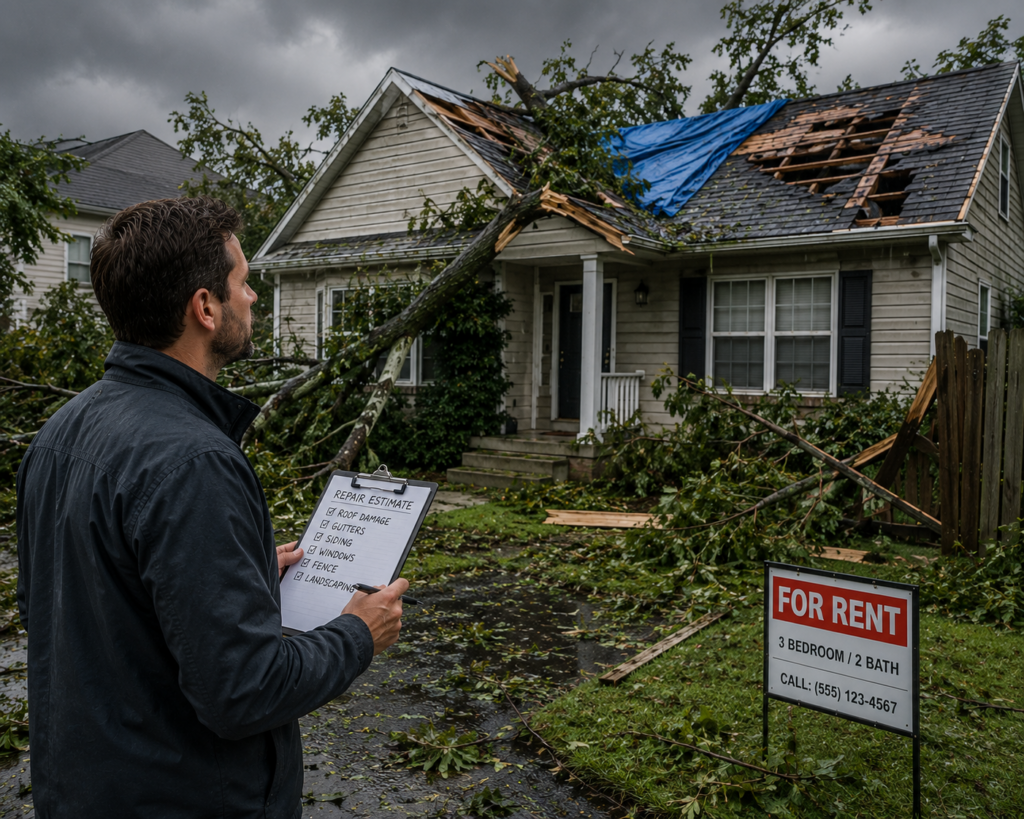
- A storm tears part of the roof away.
- A burst pipe floods multiple rooms.
- A covered event forces tenants to move out temporarily.
Without insurance, those costs could come directly from your pocket.
For most landlords, a rental property is one of their largest financial assets.
Insurance helps protect that investment.
It can also help protect your cash flow when unexpected events happen.
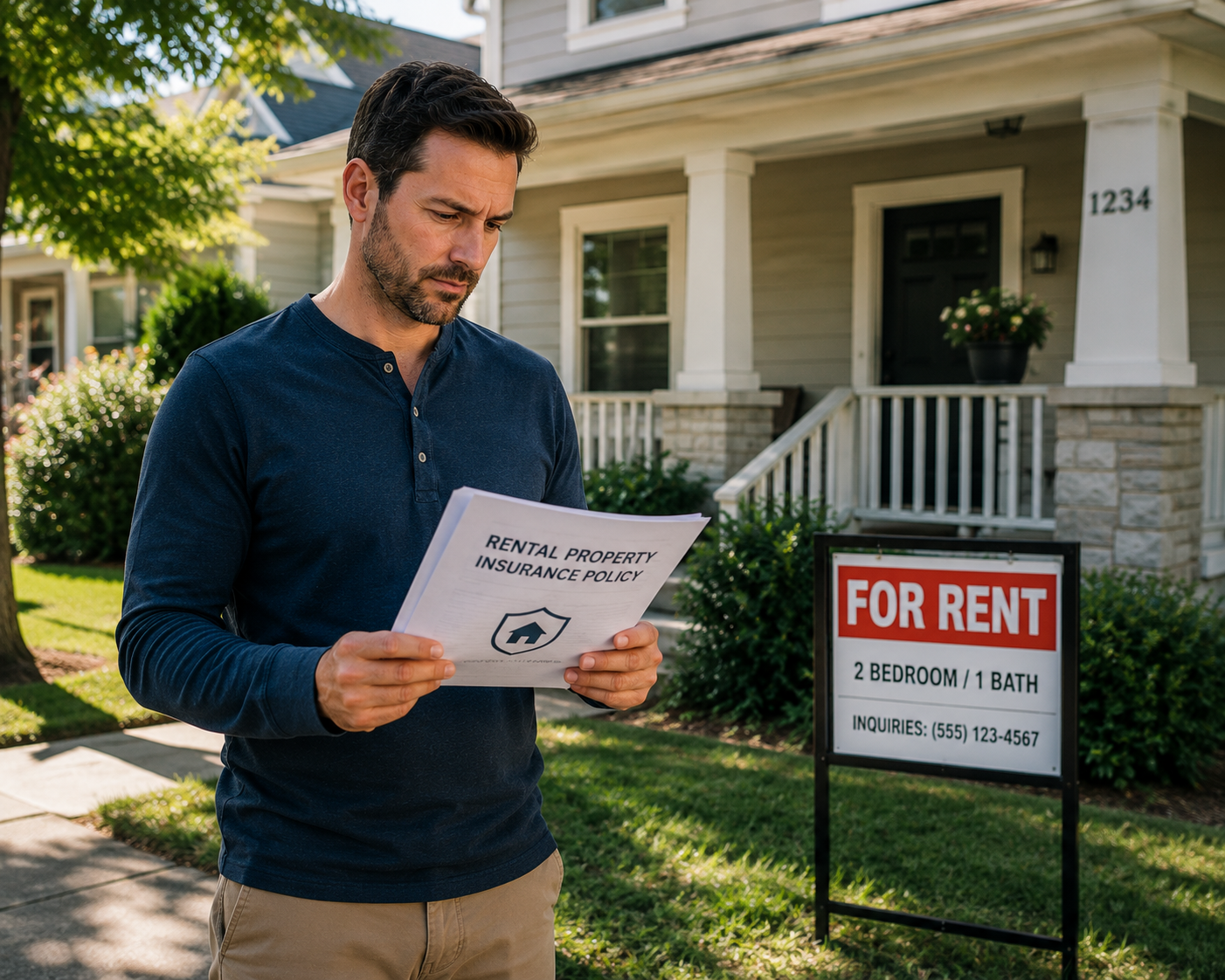
Beyond that, if you need a rental property mortgage or refinance, most lenders won’t approve you if you don’t have landlord insurance.
Whether you own a long-term rental, vacation home, or Airbnb property, comparing landlord insurance options only takes a minute and could save you from expensive surprises later.Protect Your Rental Property With the Right Coverage
What Rental Property Insurance Covers
Coverage varies by insurer and policy.
However, most rental property insurance policies include three main types of protection.
Property Damage
This protects the physical structure of the property.
Covered events often include:
- Fire
- Lightning
- Windstorms
- Hail
- Certain types of water damage
- Vandalism
If a covered event damages the building, your policy may help pay for repairs.
Liability Protection
Liability coverage protects you if someone gets injured on your property.
For example:
- A tenant slips on a broken step.
- A guest falls on an icy walkway.
- A delivery driver gets injured on the premises.
Liability coverage may help pay for:
- Legal defense costs
- Medical expenses
- Settlements or judgments
Read Our Comprehensive Guide to Landlord Liability Insurance to learn more.
Loss of Rental Income
Some policies include loss of rent coverage.
If a covered event makes the property unlivable, your insurer may reimburse lost rental income while repairs are completed.
This can be one of the most valuable parts of a landlord policy.
What Rental Property Insurance Doesn’t Cover
Many landlords are surprised to learn that insurance doesn’t cover everything and that certain things require a separate purchase for coverage.
Common exclusions often include:
- Normal wear and tear
- Tenant neglect
- Poor maintenance
- Pest damage
- Mold damage
- Tenant belongings
- Vacancy
Optional add-ons that are typically not under the umbrella of standard landlord insurance include:
- Floods
- Earthquakes
- Landlord personal property
- Rent default
- Short-term renting
For example, if a roof simply reaches the end of its life, insurance usually won’t pay for replacement.
Likewise, your policy generally won’t cover your tenant’s furniture, electronics, or personal items.
That’s why renters insurance is important for tenants and it’s a good idea to recommend it to each one.
If you operate a short-term rental through Airbnb or VRBO, you may also need specialized coverage beyond a standard landlord policy.
Rental Property Insurance vs Homeowners Insurance
This is one of the most common questions landlords ask.
The difference is simple.
Homeowners Insurance
Designed for:
- Primary residences
- Owner-occupied homes
Typically covers:
- The home
- Personal belongings
- Temporary living expenses after a covered loss
Rental Property Insurance
Designed for:
- Long-term rental properties
- Income-producing real estate
Typically covers:
- The building
- Liability claims
- Loss of rental income
- Certain landlord-related risks
If you rent out a property, relying on a homeowners policy can create coverage gaps.
In some cases, claims may even be denied if the insurer was not informed that the property was being rented.
You can learn more in our guide to landlord insurance vs homeowners insurance.
How to Choose a Rental Property Insurance Policy
Not all landlord policies are the same.
Before choosing a policy, compare:
Coverage Limits
Make sure the policy provides enough protection to rebuild the property if needed.
Liability Limits
Consider whether the liability coverage is sufficient for your situation.
Many landlords choose higher limits for additional protection.
Deductibles
A higher deductible can lower your premium.
However, you’ll pay more out of pocket when filing a claim.
To learn more about how much landlord insurance costs, read our full guide: How Much Does Landlord Insurance Cost?
Optional Add-Ons
Depending on the property, you may want additional protection for:
- Floods
- Earthquakes
- Short-term rentals
- Rent default coverage
- Higher liability limits
Insurance Provider
Don’t focus only on price.
Claims service matters too.
A slightly higher premium may be worth it if the company has a strong reputation for handling claims fairly and quickly.
The Bottom Line
Rental property insurance is one of the most important tools a landlord can have.
It helps protect your property.
It helps protect your income.
And it helps protect your finances when unexpected events happen.
No policy covers every possible risk. But the right coverage can prevent a costly mistake from turning into a major financial setback.
If you own a rental property or are planning to buy one, reviewing your insurance options is one of the smartest steps you can take.
Frequently Asked Questions
Is rental property insurance the same as landlord insurance?
Yes. The terms are often used interchangeably. Both refer to insurance designed for rental properties.
Do I need rental property insurance if I only have one rental?
Yes. Even a single rental property faces risks such as property damage, liability claims, and loss of rental income.
Does rental property insurance cover tenant damage?
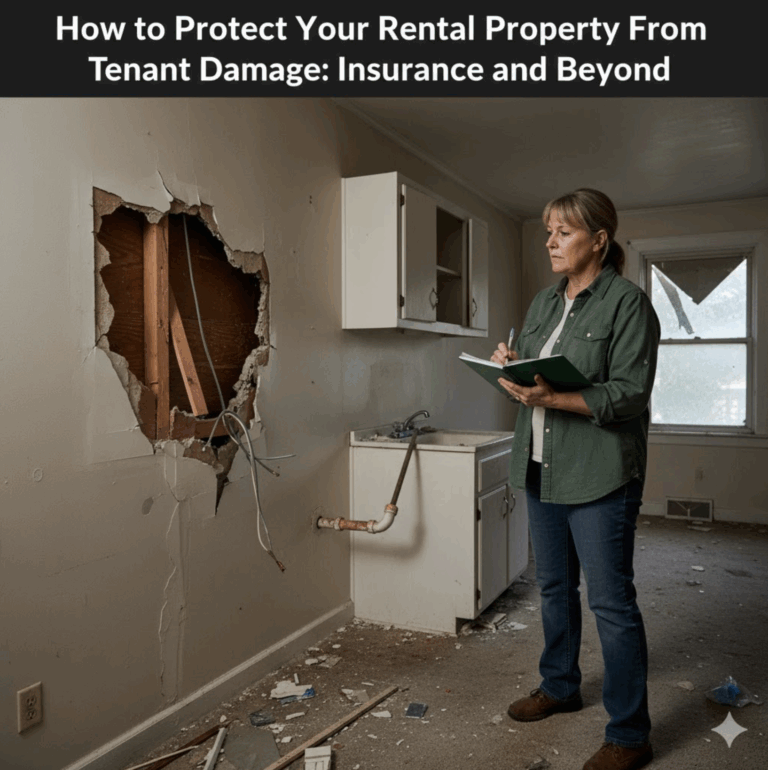
It depends on the policy and the type of damage. Some tenant-caused damage may be covered, while normal wear and tear is usually excluded.
Does rental property insurance cover Airbnb rentals?
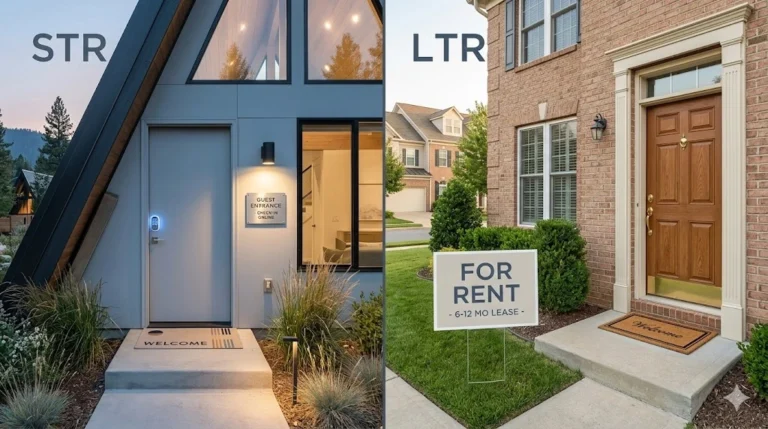
Not always. Many short-term rental properties require specialized coverage designed for Airbnb or vacation rental activity.
How much rental property insurance do I need?
The right amount depends on your property’s value, location, liability exposure, and financial goals. Many landlords choose enough coverage to fully rebuild the property after a major loss.