Due Diligence in Real Estate: A Step-by-Step Guide
Due diligence is not a costly, lengthy process that delays your plans to become a successful real estate investor. To the contrary, due diligence is a must for closing successful deals and making profitable rental property investments.
As the period between accepting an offer and closing a real estate deal, this is the time that you have – as a buyer – to inspect the property and run the numbers to make sure that what you’re getting is worth the investment. After all, investing in an income property is a business decision, so it should be treated like one.
In this guide, we’ve put together everything you need to know about due diligence in real estate. This includes the 12 steps you can’t skip as a savvy rental property investor.
What Is Due Diligence in Real Estate?
Due diligence in real estate is an exhaustive, time-bound evaluation of a property that you – the buyer – perform after the seller has accepted your offer and before the deal is fully closed. Typically included as a contingency in real estate contracts, due diligence gives the homeowner or the investor the chance to check and confirm that the property provides everything that the seller has promised and marketed. For rental property investors, it’s key for success, whether you’re buying a short-term or a long-term rental.
In this crucial process, you have to investigate the physical state and features of the house. This is the time to identify any underlying issues and analyze how they might affect the ability of the property to operate as a rental.
Additionally, due diligence includes a thorough investment property analysis that estimates the monthly rental income that you can expect from the property based on the performance of rental comps in the area. This rental income estimate should then be used to calculate the expected return on investment based on the sale price and the forecast operating expenses.
At the end of the process, you should be able to make an informed decision whether you’d like to move ahead with the deal as agreed or you’d like to ask for repairs or a reduced price because of major problems revealed during your investigation. You can even choose to abandon the deal altogether in case the property condition is far from what you thought.
How Long Is the Due Diligence Period in Real Estate?
Typically, the due diligence period in the residential real estate market lasts between 7 days and 30 days. It starts immediately after the acceptance of the offer, and the end data is stipulated in the contract. This means that you have between 1 week and 1 month to conduct the necessary inspections, research, and analysis to ensure the profitability of the property that you’re planning to purchase.
The length of the process might vary and go outside this 7-30 day window depending on location and the state of the market. Hot (seller’s) real estate markets dictate shorter due diligence durations, while the buyer might have more time in colder (buyer’s) markets. Commercial properties also generally yield longer times.
In any case, it’s important to be prepared with the right team and the right tools before the beginning of the due diligence period to complete it within the required timeframe and with the expected outcomes.
How Much Does Due Diligence on a Rental Property Cost?
Due diligence in real estate costs an average of 0.5-1% of the purchase price of the property. With a typical home value of $357,554 as of January 31, 2026, you can expect to pay between $1,788 and $3,576 for a standard single-family home. Budget-friendly properties demand less, while larger and more luxury rentals come up to more than that.
Due diligence fees include:
- Home inspection
- Real estate appraisal
- Environmental tests
- Survey
- Title search
- Securing financing
Due diligence costs are part of your total investment costs, so they should be included in your investment property analysis.
12-Step Due Diligence Guide to Purchase a Real Estate Property
A thorough due diligence process when buying a short-term or long-term rental property includes the following steps:
1. Perform Title Search and Review
The first step in buying a real estate property – whether your own home or an income property to rent out – is to verify ownership and the legal right of the seller to actually sell the property. During this phase, you have to check for liens, easements, encumbrances, and any other conditions that might affect your ability to purchase the house.

If you’re a beginner investor and that’s your first real estate purchase, it’s usually a good idea to hire a real estate attorney to make sure everything is fine and legal. This can save you a lot of headaches and unexpected costs.
2. Get Professional Home Inspection
The second step in the due diligence process is to schedule a physical property inspection by a licensed home inspector. This is a comprehensive assessment of the physical condition of the property for sale. It covers the foundation, roofing, electrical system, plumbing system, HVAC, interior and exterior structures, windows, and any other major parts of the property.
Home inspection lasts 2-4 hours and aims to identify any major issues with the structure, safety, and usability of the house that might turn into significant repairs in a few short months or years. It typically costs $300-$500, but it’s totally worth it as it can save you thousands of dollars in fixes down the road.
3. Confirm Zoning and Land Use
Next, you need to check any zoning laws and land use restrictions that might apply to the area and the type of property that you’re planning to buy. While this holds true for any use of the property that you intend, it’s particularly relevant if you want to operate a short-term rental business. Many US counties and cities have strict zoning regulations as to where you can rent on Airbnb and where you can’t.
Use the websites of local government authorities to make sure that running a rental business is legal according to zoning regulations.
4. Do Thorough Environmental Assessment
Yet another important step in the process is to evaluate the environmental safety of the property. Many first-time buyers miss this step, and this can lead to major consequences. Actually, the environmental assessment is a multifaceted evaluation that needs to consider outside factors, such as flood zones, earthquake risks, storm frequency, and soil contamination, and inside factors, like asbestos or lead in the paint.
Some high environmental risks (like floods) might raise the cost of landlord insurance, while others (such as lead) might require costly repairs, pushing business expenses up and profitability down. So, hire a licensed environmental professional even though you’ll have to pay about $1,000 or more. This is crucial if you’re unfamiliar with the market and its environmental conditions.
5. Study Rental Regulations
Fifth, you have to go back to some online research to check pertinent rental market laws, depending on the type of rental business that you plan to operate. If you want to rent on a long-term basis, you have to focus on the landlord-tenant laws. Make sure local regulations are not tenant-friendly to a degree that harms your rights as a landlord. Familiarize yourself with things like fair housing rules, warranty of habitability, security deposit requirements, legal notices, rent rises, and others.
Meanwhile, if you want to have an Airbnb rental property, check out the local short-term rental regulations. Airbnb rules can affect whether you have to stay on site during leases, the number of nights per year for which you can list your property, the maximum number of guests, and many other factors that ultimately impact the feasibility and profitability of your business.
6. Conduct Real Estate Appraisal
If you’re using financing to buy the property, the mortgage provider will require a formal appraisal of the home to confirm that the size of the loan does not exceed the real value of the property. But even if you’re using all cash to pay, it’s a smart move to appraise the house.
A real estate appraisal costs about $350-$600, but that’s the only way to confirm that the sale price corresponds to the fair market value of the property. After all, you don’t want to overpay as this will negatively affect your ROI and the appreciation that you get in the long term.
7. Carefully Review Documentation
As you’re moving down the due diligence checklist, don’t forget to have a detailed look at all documents included in the deal. Analyze available disclosures, seller property questionnaires, surveys, permits, and lease agreements, if relevant. Once again, it might be a good idea to consult with a lawyer if real estate transactions are not your forte.
Only move forward with the process if you see no red flags at the legal front.
8. Calculate the Expected Rental Income
It’s time to get to the financial part of the due diligence process. You should look into the local rental market and use rental comps to estimate what monthly income you can expect from the property. Rental comps are nearby rental properties (within a couple of miles) that are similar to the property you’re buying in terms of type, size, features, and amenities. The rent that they are charging can serve as a benchmark for your expected rental income.
Alternatively, you can use software tools, like a rental property calculator or an Airbnb calculator, to evaluate how much rent you can expect to make from the home. These tools integrate large rental data from the area while factoring in the unique characteristics of your property to provide a reliable estimate of the revenue and other important numbers.
9. Research Rental Property Insurance Options
If you’re buying the home to rent it out, don’t skip on rental property insurance. While landlord insurance is not legally required in the US market, homeowners insurance does not cover damages and incidents that happen while the property is rented to third-party tenants. To protect your property and yourself right, you need to get specialized coverage.
The type of landlord insurance that you need depends on:
- Specifications of your property: Single-family home vs condo vs townhouse
- Local market and environmental factors, such as floods, storms, earthquakes, etc.
- Risks in the area, such as crime rates
- Rental strategy: Long-term rental vs short-term rental
In addition to covering damage to the real estate property and your personal belongings (furniture and appliances), good landlord insurance incorporates landlord liability insurance and loss of rent insurance.
For affordable, comprehensive coverage, get in touch with Coverlyn.
10. Decide on Property Management
Another aspect of the rental property business to take into account during the due diligence process is the way in which you plan to manage the property. This will have a direct impact on the overall cost and ROI of the investment property.
Property management fees average 8-12% for traditional rentals and can easily reach 25-40% for Airbnb properties. However, they are a must if you invest away from home or if you have no previous experience in managing a rental property, especially a vacation rental that comes with daily guest turnovers, cleaning, and restocking. Moreover, a professionally managed property usually yields higher income, so the fees are worth it.
In any case, it’s important to decide how you will manage the property and include the associated costs in your further analysis.
11. Accurately Estimate Operating Expenses
Once you know what you’ll pay for insurance and property management, it’s time to calculate the overall rental expenses.
Typical operating costs for rental properties include:
- Marketing and advertising costs
- Tenant screening expenses
- Property management fees
- Utilities
- HOA fees
- Repairs
For optimal results, try to use rental comps from the area, or even better – a rental property calculator.
12. Verify Positive Cash Flow and Good ROI
Finally, you have to put together the results of the rental income estimation and the operating expenses calculation into comprehensive rental property analysis. You need to calculate the cash flow and make sure that it’s positive. Negative cash flow means that you’ll be losing money from your investment.
Additionally, you have to estimate the expected return on investment in terms of cash on cash return and cap rate. It only makes sense to purchase an income property if you’ll have good ROI from it.
Once you’re done with the due diligence, you have to use the results to decide what to do:
- Move forward with the deal as planned
- Renegotiate the price or the conditions
- Walk away from the deal
We’ll come back to this shortly, but first let’s take a look at what differences there exist in due diligence in real estate by state.
Due Diligence in Real Estate by State
In the US housing market, real estate transactions are generally governed by state law. That’s why there are major differences in due diligence from state to state, with regards to disclosure requirements, durations, title and closing procedures, landlord-insurance laws, insurance, and other factors.
Let’s look at the specific due diligence procedures in some of the busiest real estate and rental markets nationwide:
California
Property buyers in California should expect highly regulated disclosure requirements during the due diligence phase. Sellers are typically required to provide a Transfer Disclosure Statement, which outlines known property defects, past damage, and other conditions that could affect the buyer’s decision. Buyers also receive a Natural Hazard Disclosure report that identifies whether the property is located in areas prone to earthquakes, wildfires, flooding, or other environmental risks.

Inspection contingencies are often included in the purchase agreement, giving buyers the necessary time to perform inspections and review documents before committing to the purchase. Investors should also review local rent control rules and tenant protection laws, which vary widely across California cities. In addition, insurance research is important because wildfire exposure and earthquake risk can significantly influence policy availability and cost.
Florida
Due diligence in the Florida real estate market often centers on weather-related risks and structural resilience. Buyers need to verify whether the property sits within a designated flood zone since this determines whether flood insurance is required. Because hurricanes and tropical storms are common in the state, property inspections focus on roofs, drainage systems, and storm-related damage.
Florida real estate laws require sellers to disclose known physical issues that affect the property’s value, particularly problems related to water intrusion and structural concerns. Investors should also investigate insurance availability early in the process as policies may include separate coverage for windstorm and flood damage. Local rules regarding short-term rentals and landlord-tenant regulations also vary by city and county, making regulatory research an important part of due diligence.
Georgia
In Georgia, the due diligence timeline is usually negotiated directly between the buyer and the seller as part of the purchase contract. Buyers use this period to schedule inspections, confirm property records, and review documents related to the home’s condition. According to Georgia laws, sellers have to disclose known material defects, but buyers are still expected to perform their own investigation before closing.
Real estate closings are generally conducted through a closing attorney who prepares legal documents and manages the transfer of funds. Rental property investors should evaluate zoning restrictions and homeowners association policies that could limit leasing options. Insurance research is recommended too, particularly in regions where severe storms or flooding may affect coverage costs.
Massachusetts
Massachusetts real estate transactions typically involve legal oversight from attorneys throughout the purchase process. Buyers commonly arrange inspections shortly after an offer is accepted in order to evaluate structural systems and identify potential repair needs. While the state does not mandate a specific seller disclosure form, sellers must disclose all known material defects and comply with federal lead-paint disclosure rules for older homes.
Title searches and title insurance are standard parts of the due diligence process to confirm ownership and identify existing liens. Investors planning to rent the property should review state landlord-tenant regulations, which include strict requirements for security deposits and tenant rights. Insurance coverage should account for factors such as coastal storm exposure, aging housing stock, and winter weather risks.
New York
Real estate purchases in New York often involve a more formal legal review than in other states. Attorneys play a central role in drafting contracts, reviewing title records, and managing the closing process. After a buyer’s offer is accepted, there is often a period during which lawyers negotiate contract terms and the buyer completes inspections and other due diligence tasks.
State law includes a Property Condition Disclosure Statement although sellers sometimes provide a credit to the buyer instead of completing the form. Rental investors should review local housing regulations, particularly in cities with rent stabilization or rent control policies. Insurance considerations may include factors such as building age, flood exposure, and requirements set by co-op boards or condominium associations.
North Carolina
North Carolina real estate transactions include a defined due diligence period, negotiated as part of the purchase agreement. During this window – often lasting several weeks – buyers can inspect the property, review disclosures, and evaluate financing before committing to the purchase. Buyers usually pay a due diligence fee to secure this period, which compensates the seller for taking the property off the market.
Sellers are required to provide a Residential Property Disclosure Statement, along with other legally required disclosures related to the property. Buyers often complete inspections, title searches, and appraisal reviews before the due diligence deadline expires. Investors purchasing rental properties should research local landlord regulations and HOA rules that may affect leasing practices.
South Carolina
When purchasing property in South Carolina, buyers perform due diligence during an inspection contingency period negotiated in the purchase contract. During this time, buyers arrange home inspections, verify property boundaries, and review any homeowners association rules that could affect the property. State law requires sellers to complete a Residential Property Condition Disclosure Statement, which outlines known defects or problems with the property.
Real estate closings must generally be conducted by a licensed attorney who prepares closing documents and oversees the transfer of funds and title. Investors are advised to review landlord-tenant rules that govern issues such as lease agreements and eviction procedures. Insurance planning is particularly important in coastal areas, where hurricane and flood risks can influence policy requirements.
Texas
Buying a rental property in Texas includes a unique due diligence phase known as the option period. During this negotiated window – usually about a week or slightly longer – buyers can arrange inspections and review property information before finalizing the purchase decision. To obtain this flexibility, buyers have to pay a small option fee, which allows them to terminate the contract during the option period if necessary.
Sellers are required to provide a Seller’s Disclosure Notice outlining known property defects or past repairs although buyers are still expected to conduct their own inspections. Closings are generally handled by title companies, which coordinate the transfer of ownership and the issuance of title insurance. Investors should analyze property tax obligations carefully as local tax rates can vary widely across Texas counties.
In other words, while you’re searching for profitable rental properties for sale and before putting an offer on a house, you should check out the local due diligence regulations in your state to be prepared for when the time comes.
The Role of Landlord Insurance in Due Diligence
Rental property insurance plays a major role in the due diligence process in any real estate transaction that aims to purchase an investment property. As mentioned before, landlord insurance or Airbnb insurance is not a legal requirement in the US. However, it is the safest and most reliable way to protect your investment and yourself from major expenses that can harm or even bankrupt your rental business.
So, during the due diligence phase of your investment journey, devote enough time to researching different options as each insurance company offers different terms, coverage, and cost. Most importantly, look for providers who specialize in rental property insurance as it’s distinct from homeowners insurance and covers different situations.
If you’re looking for cost-efficient, yet all-inclusive insurance for your property, check out Coverlyn. It comes with the following benefits:
- Delivered through a reliable partnership with Steadily, a specialized rental property insurance company
- Backed by A- rates insurance carriers
- Comprehensive coverage including fire, lightning, storm, hail, water damage, theft, vandalism, liability, and rental income loss
- Specialized policies for long-term and short-term rentals
- Coverage in all 50 US states
- Applicable to single-family homes, condos, units, multi-family homes, manufactured homes, and other types of properties
- Tailored quotes in seconds
- Affordable pricing
Send us a request now to get your quote in less than a minute
Rental Property Due Diligence Mistakes: What to Look Out For
Even experienced landlords are not protected from some common mistakes associated with due diligence. Errors are significantly more prevalent among beginners.
Here is what to avoid when it comes to due diligence in real estate:
- Don’t decide against a professional home inspection to save a few hundred dollars. It can reveal issues that can add up to thousands of dollars.
- Don’t skip on an appraisal if you’re not financing the property. That’s the best way to know the fair market value of the property and to make sure you’re paying the right money for it.
- Don’t avoid an environmental assessment just because the property is located in a safe area. Paint lead and asbestos are serious threats too that need to be properly identified and handled, if present.
- Don’t move forward without a detailed investment property analysis as that’s the only way to know that the house will yield positive cash flow and good return on investment.
- Don’t forget rental property insurance. Otherwise, you leave your property and yourself vulnerable to costs that can reach thousands of dollars should an incident happen.
- Don’t ignore the results of due diligence. Once you have analyzed the property and the surroundings in detail, use all available information to decide whether the deal is worth it and whether any changes to the offer are required.
It is true that due diligence takes a couple of weeks and a few thousand dollars, but it’s a must for a smart real estate investment.
Signs to Give Up a Real Estate Property
Sometimes everything is fine after due diligence, and you can smoothly move forward with closing. In other cases, you might figure out a few small issues with the property that deem renegotiating the price or adding extra contingencies. But in certain situations, it might be better to just walk away from the deal.
Following are some red flags that you should never ignore during due diligence:
- Title problems indicating ownership complications
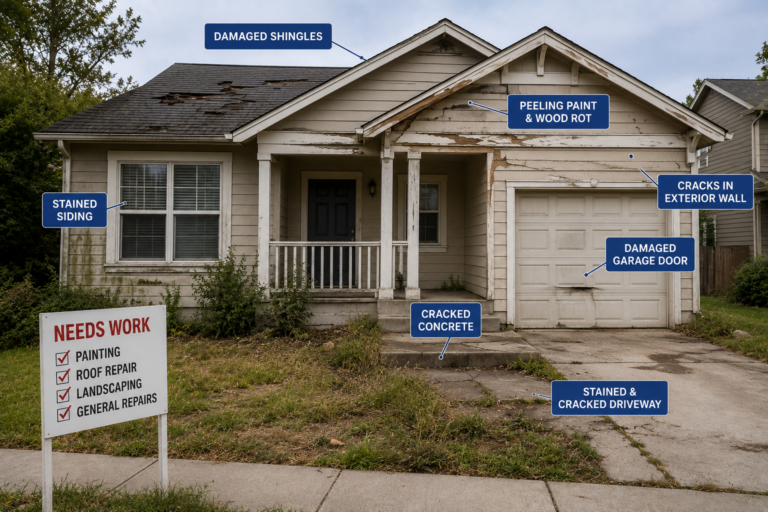
- Major structural issues, such as roof damage, foundational problems, or electrical issues
- Large environmental problems, like asbestos or lead
- Significant discrepancies between the sale price and the appraised value leading to overpaying and slow long-term real estate appreciation
- Operating expenses exceeding rental income causing negative cash flow and poor ROI
Remember that buying an investment property is a business decision and should be treated as such. Don’t let yourself be tricked by a property that you fell for but doesn’t look as promising after due diligence. Don’t hesitate to walk away and look for another deal instead of being trapped with a property that doesn’t make financial sense.
Final Words on Due Diligence in Real Estate
Due diligence is an indispensable part of a real estate transaction. It’s your chance to evaluate the feasibility and expected profitability of a rental property, so you should take advantage of it. Before getting started, check out the regulations in your state to make sure that you get all benefits that buyers are entitled to. Moreover, build a trustworthy team of attorneys, inspectors, appraisers, and consultants that can support you where needed for optimal results.
Once you finish due diligence, don’t be hesitant to act on its outcomes. It’s better to have wasted a couple of weeks on a property that doesn’t meet all the checks and walk away on it than to be stuck with a negative cash flow investment in the long run.
To protect your investment, check out affordable, comprehensive insurance options.