VRBO’s New Host Cancellation Rules Could Cost Hosts More Than They Realize
For years, most short-term rental hosts worried about one thing when it came to cancellations:
losing the booking.
But VRBO’s newer host accountability policies have added another concern.
Potentially losing the booking and paying for it.
That’s because VRBO has become increasingly focused on protecting guests from one of the most frustrating experiences in short-term rentals:
arriving at a property and being unable to get inside.
And honestly, from a guest’s perspective, that’s understandable.
Imagine you’ve:
- landed after a long flight
- arrived late at night
- traveled with family
- paid hundreds or thousands of dollars for accommodations
…and the door code doesn’t work.
You call the host.
No answer.
You message the host.
No response.
At that point, the vacation starts feeling more like a nightmare.
Which is exactly the type of situation VRBO is trying to prevent.
What Changed?
The biggest takeaway from the policy is simple:
If a guest cannot access the property because of a host-related issue, VRBO may step in aggressively.
According to VRBO’s policy discussed by industry sources, situations such as:
- incorrect door codes
- wrong check-in instructions
- inaccessible lockboxes
- missing keys
- unresponsive hosts
- inaccurate property access information
can trigger host penalties.
And the financial consequences can be significant.
Under the policy, VRBO may:
- refund the guest 100% of the booking amount
- charge the host a cancellation fee that can reach up to 100% of the booking value
In other words, a preventable check-in mistake could potentially cost the host the entire reservation revenue.
That’s a very different situation than simply receiving a poor guest review.
This Isn’t Really About Cancellations
Here’s the interesting part.
Most hosts hear “cancellation policy” and immediately think about voluntarily canceling reservations.
But that’s not really the core issue here.
The policy is largely about operational failures.
The guest technically arrived.
The reservation technically exists.
But if the guest cannot reasonably access the property because of host error, VRBO may treat the booking as effectively unusable.
And from the platform’s perspective, the result is similar:
the guest paid for accommodation they couldn’t use.
Why VRBO Is Taking a Harder Stance
The short-term rental industry has matured significantly.
Years ago, many hosts operated casually.
Today, guests often expect an experience that rivals traditional hotels.
That means:
- smooth check-ins
- reliable communication
- immediate support
- accurate listing information
Platforms like VRBO depend heavily on guest trust.
If travelers repeatedly encounter situations where hosts are unavailable or properties are inaccessible, guests may choose hotels instead.
Which is why platforms increasingly prioritize reliability.
The Most Common Problems Are Surprisingly Simple
What makes this policy particularly interesting is that many triggering events are entirely preventable.
For example:
A host updates a smart lock code but forgets to send the new code.
A cleaner accidentally locks a key inside the property.
A lockbox battery dies.
The guest receives outdated check-in instructions.
The host misses messages because notifications are turned off.
None of these situations involve property damage.
None involve bad guests.
And yet they can still result in significant financial consequences.
This Matters Even More During Major Events
Hosts preparing for events like:
- FIFA World Cup 2026
- major concerts
- conventions
- championship games
should pay particular attention.
Why?
Because replacement accommodations become much harder to find during high-demand periods.
If a guest cannot access a property during a sold-out event weekend, the financial exposure may be much larger than during a normal travel period.
The guest is likely already paying premium rates.
Alternative accommodations may cost significantly more.
And platform intervention becomes more likely when travelers are stranded.
What About Insurance?
This is where things get interesting.
Many hosts assume insurance will help if something goes wrong.
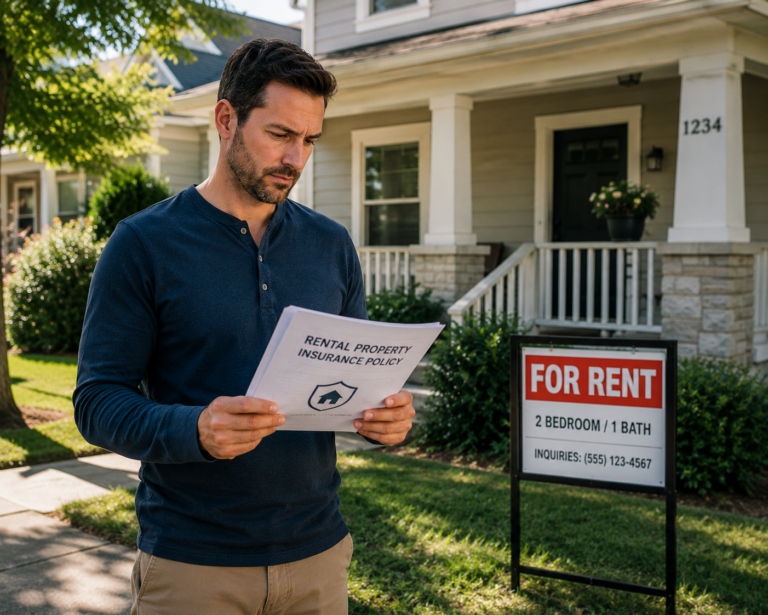
But platform-imposed cancellation penalties are generally not the type of loss traditional landlord or STR insurance is designed to cover.
Insurance may help with:
- fire damage
- water damage
- vandalism
- liability claims
- certain loss-of-income situations
Coverage for these incidents is important. Get your insurance quote today.
But a host forgetting to update a door code is usually an operational issue rather than an insurable event.
Which means the financial consequences often fall directly on the host.
How Hosts Can Protect Themselves
Fortunately, avoiding these situations is usually easier than dealing with them afterward.
Experienced hosts often use systems like:
- automated check-in instructions
- smart lock integrations
- backup access methods
- channel management software
- co-host arrangements
- emergency contact procedures
The goal is simple:
eliminate single points of failure.
Because if the entire guest experience depends on one text message being delivered correctly, problems become much more likely.
Communication Is Becoming a Competitive Advantage
One thing this policy highlights is that successful short-term rental hosting is becoming increasingly operational.
It’s no longer just about:
- beautiful photos
- attractive décor
- competitive pricing
It’s also about reliability.
Hosts who consistently provide:
- clear instructions
- fast responses
- seamless access
are increasingly rewarded by both guests and platforms.
And hosts who don’t may find platform penalties becoming more expensive over time.
The Bottom Line
VRBO’s stricter approach to host-caused access failures sends a clear message:
getting guests through the front door is no longer a small operational detail.
It’s a critical part of the booking experience.
Under the policy, hosts may face situations where:
- guests receive full refunds
- hosts lose reservation revenue
- additional cancellation fees apply
…all because of preventable check-in issues.
For professional hosts, that makes operational reliability just as important as occupancy rates and nightly pricing.
Because in today’s short-term rental environment, a booking isn’t truly complete until the guest successfully walks through the door.
If you operate a property through VRBO, Airbnb, or other vacation rental platforms, now is a good time to review both your check-in procedures and your insurance coverage.
The right systems can help prevent costly guest-access issues, while the right STR insurance policy can help protect against many of the risks that come with running a short-term rental business.
Whether you own a long-term rental, vacation home, or Airbnb property, comparing landlord insurance options only takes a minute and could save you from expensive surprises later.Protect Your Rental Property With the Right Coverage