Do You Need Commercial or Residential Landlord Insurance?
Most landlords eventually run into the same question.
“Do I need residential landlord insurance or commercial property insurance?”
And honestly, it’s not always as obvious as people think.
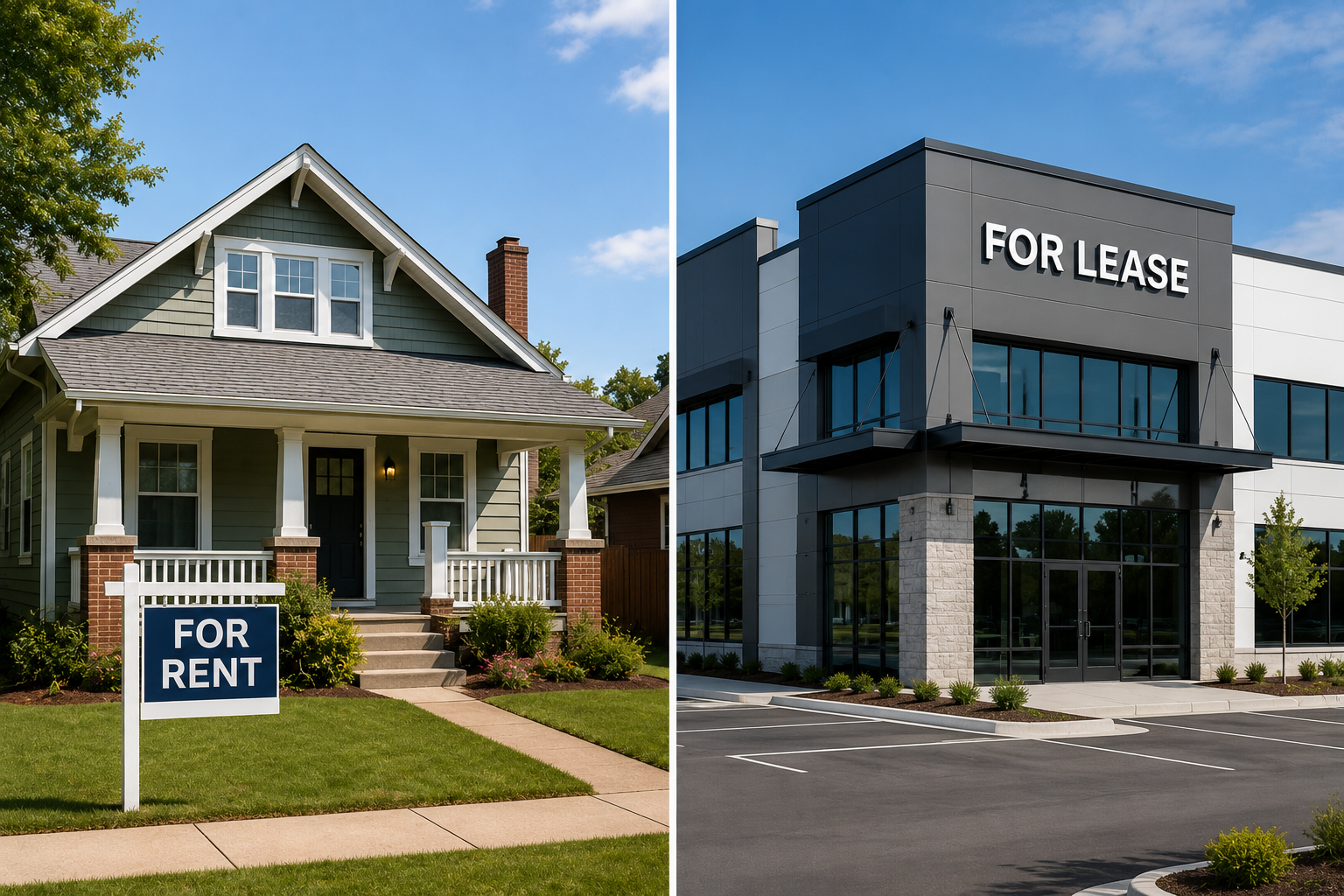
A single-family rental is clearly residential.
An office building is clearly commercial.
But what about:
- a mixed-use building?
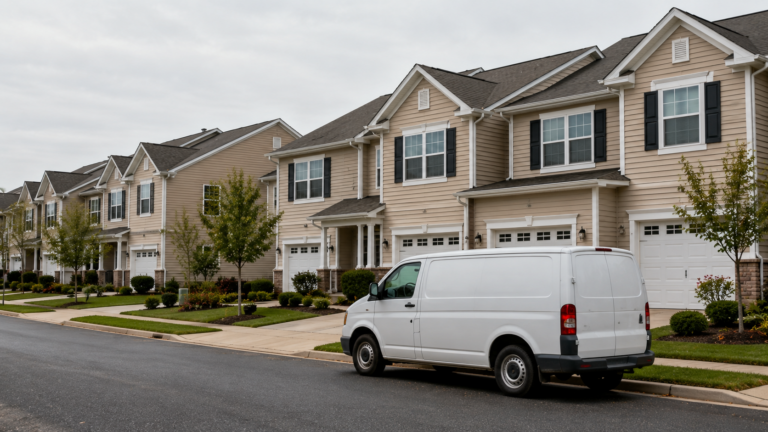
- a six-unit apartment complex?
- a property with retail space downstairs and apartments upstairs?
- a short-term rental business operating multiple units?
This is where things start getting a little blurry.
Because while both types of insurance protect income-generating properties, they are designed for very different kinds of risk.
And choosing the wrong policy can create coverage gaps that only become obvious after a claim happens.
The Simplest Difference
At a high level, the distinction comes down to how the property is being used.
Residential landlord insurance is generally designed for properties where people live.
Examples include:
- single-family rentals
- duplexes
- triplexes
- fourplexes
- small residential rental properties
Commercial insurance, on the other hand, is designed for properties used primarily for business purposes. These can include:
- office buildings
- retail centers
- warehouses
- restaurants
- industrial facilities
- larger commercial apartment operations
The insurance industry often treats larger multifamily buildings differently as well. Apartment buildings with five or more units are frequently categorized as commercial real estate rather than residential investment property.
That distinction alone can significantly change insurance requirements.
Why Commercial Properties Are Viewed Differently
From an insurer’s perspective, commercial properties usually involve more complexity.
There may be:
- multiple businesses operating on-site
- higher foot traffic
- more visitors
- larger liability exposure
- more complicated lease agreements
A retail plaza, for example, faces very different risks than a single-family rental home.
The property owner may need to consider:
- customer injuries
- business interruption
- tenant improvements
- commercial equipment
- signage
- parking lot liability
Commercial properties also tend to have larger claim values because of their size and complexity.
Which is one reason commercial insurance premiums are often higher than residential landlord policies.
Residential Landlord Insurance Focuses on Housing Risk
Residential landlord insurance is built around a much narrower risk profile.
The primary concerns are usually:
- tenant-related damage
- fire losses
- weather events
- liability claims
- loss of rental income
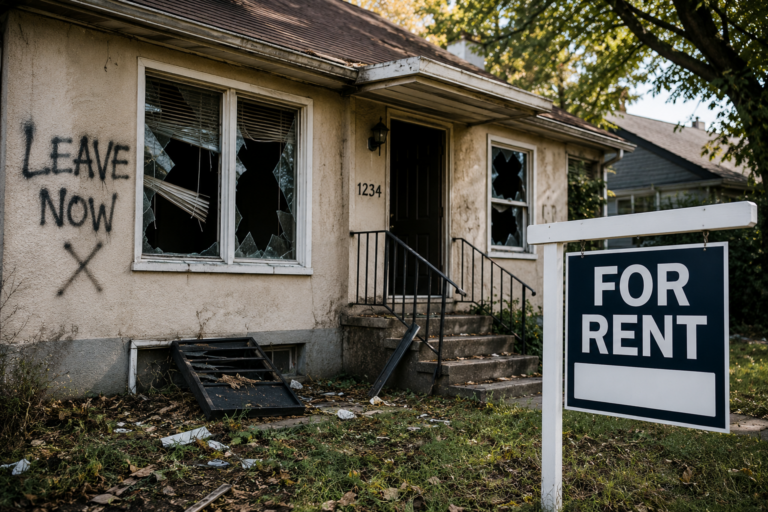
- vandalism
The coverage structure is generally simpler because residential properties are used for living rather than business operations.
Landlord insurance is specifically designed for rented properties and differs from homeowners insurance because it accounts for tenant occupancy and rental-related liability exposure.
For many landlords with one or two rental properties, residential landlord insurance is exactly what they need.
Get your quote for residential landlord insurance now.
Liability Coverage Looks Different Too
This is one of the biggest differences.
Every rental property carries liability risk.
But commercial properties often create more opportunities for claims.
Think about the difference between:
- a tenant visiting a duplex
and - hundreds of customers visiting a shopping center every day
Commercial properties may face liability claims involving:
- customers
- employees
- vendors
- contractors
- delivery personnel
Residential properties are usually dealing primarily with:
- tenants
- guests
- maintenance workers
As a result, commercial policies often require higher liability limits and more specialized protection.
The Lease Structure Matters
Another interesting difference involves how expenses are handled.
Residential leases are generally straightforward.
The landlord typically remains responsible for:
- insurance
- property taxes
- major maintenance
Commercial leases often look very different.
Many commercial properties operate under lease structures where tenants pay some or all of the property’s operating expenses, including insurance, taxes, and maintenance costs.
That creates a very different insurance environment compared to traditional residential rentals.
Commercial Policies Are Usually More Customizable
Residential landlord insurance tends to be fairly standardized.
Commercial insurance is often much more customizable.
Coverage can be tailored around:
- tenant types
- business activities
- building usage
- occupancy levels
- industry-specific risks
For example, insuring:
- a warehouse
- a medical office
- a restaurant
- and a self-storage facility
…may require completely different coverage structures despite all being commercial properties.
This flexibility is useful.
But it also means commercial insurance is often more complex to purchase and manage.
What About Short-Term Rentals?
This is where many landlords get confused.
A property listed on Airbnb or VRBO may still be residential in nature.
People are living there temporarily.
But the business activity resembles hospitality operations in some ways.
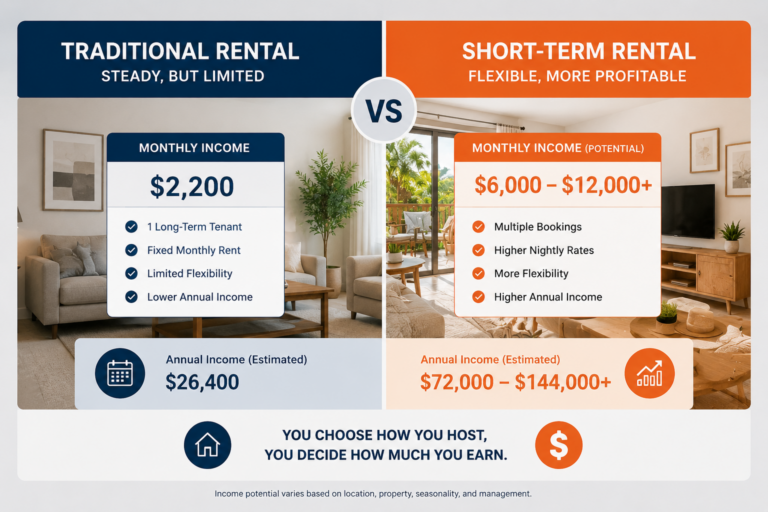
As a result, many STR owners find themselves needing specialized landlord or vacation rental insurance rather than standard residential coverage.
The property may not qualify as fully commercial.
But it often carries more risk than a traditional long-term rental.
This is one reason insurers increasingly offer products specifically designed for short-term rental operators.
When a Property Starts Crossing Into Commercial Territory
There is no universal rule that applies everywhere.
However, landlords should start asking questions when a property involves:
- five or more units
- mixed-use occupancy
- retail or office tenants
- hospitality-style operations
- significant business activity
- large common areas
- commercial lease agreements
At that point, commercial insurance often becomes part of the conversation.
And assuming a residential landlord policy will cover everything can become risky.
The Bottom Line
Both residential and commercial landlord insurance exist for the same reason:
to protect income-producing property.
But the risks are very different.
Residential landlord insurance focuses on housing-related exposure and tenant occupancy.
Commercial insurance is built around business operations, higher liability risks, more complex leases, and larger potential claims.
For landlords, the most important question is not which policy is cheaper.
It’s whether the policy actually matches the way the property is being used.
Because when a major claim happens, the difference between commercial and residential coverage can suddenly become very important.
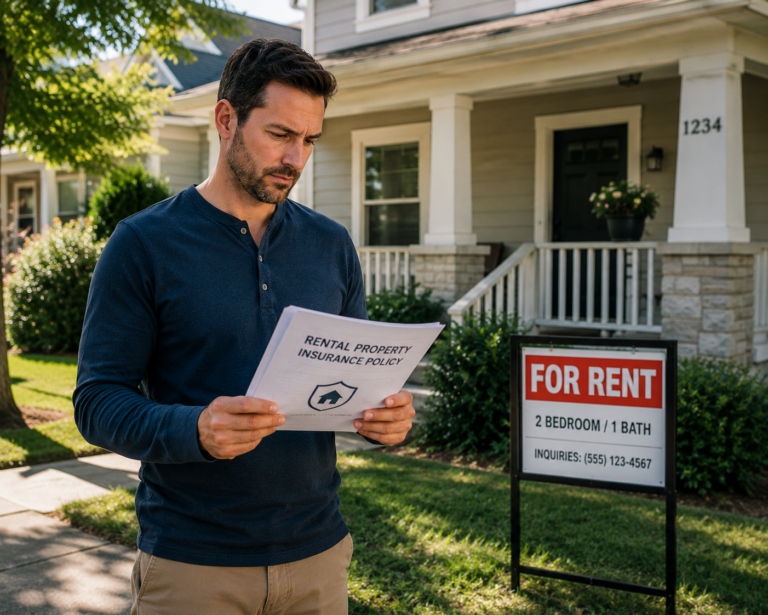
If you own rental property, a multifamily building, or operate short-term rentals, it’s worth reviewing whether your current insurance policy truly matches the property’s risk profile.
The right coverage structure can help protect not only the building itself but also the income stream that depends on it.
Whether you own a long-term rental, vacation home, or Airbnb property, comparing landlord insurance options only takes a minute and could save you from expensive surprises later.Protect Your Rental Property With the Right Coverage