Vandalism, Theft, and Rental Properties: What Insurance Covers
Most landlords spend a lot of time worrying about things like:
- tenant turnover
- property maintenance
- insurance premiums
- vacancy periods
But sometimes the biggest financial surprises come from something entirely different.
Crime.
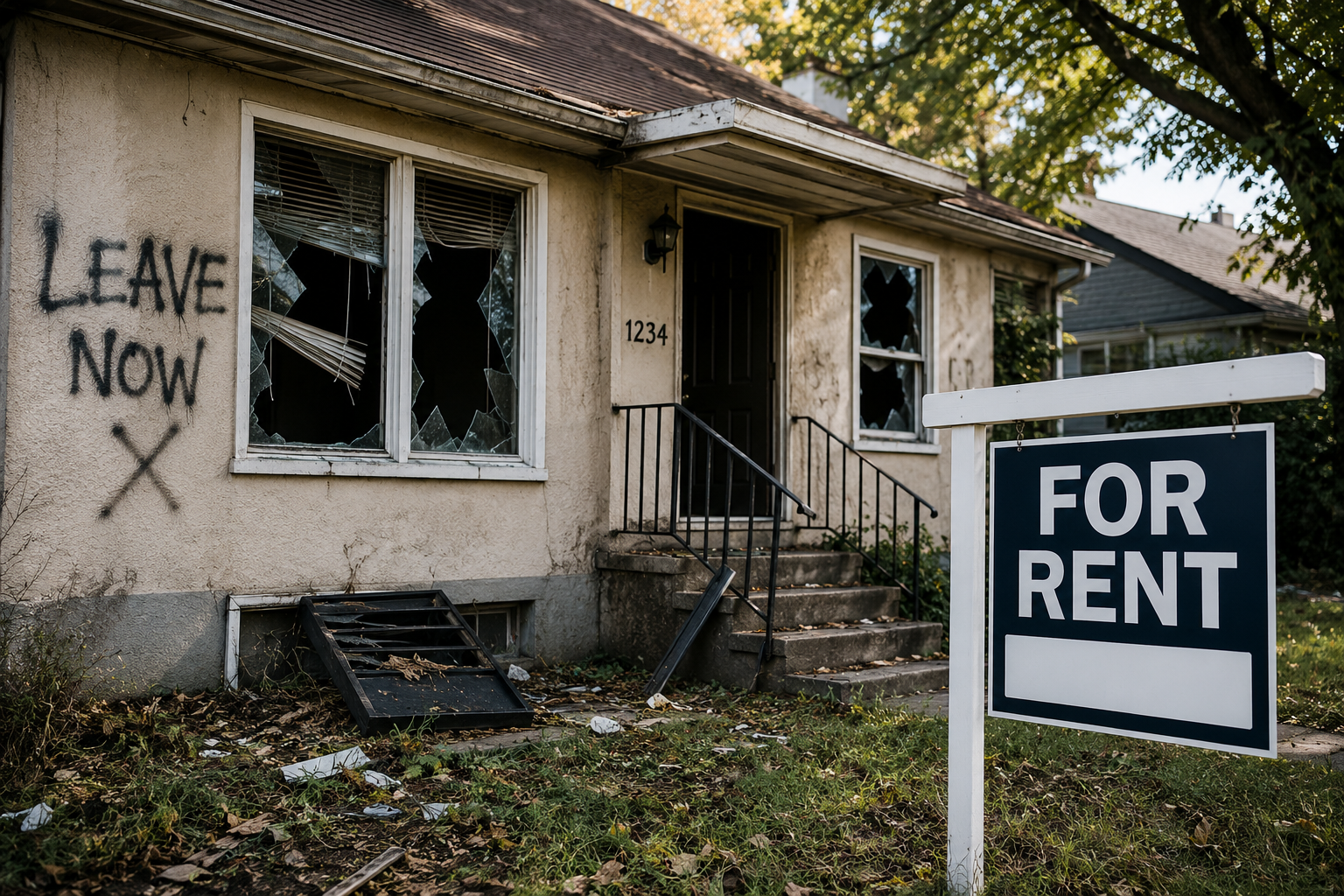
A smashed window.
Graffiti on the exterior walls.
Stolen appliances.
Missing copper piping.
Damaged doors after a break-in.
These situations are frustrating enough on their own.
But they become even more stressful when landlords are unsure whether their insurance policy will actually help cover the loss.
The good news is that landlord insurance often covers vandalism and certain theft-related losses.
The not-so-good news?
The details matter.
And many landlords discover coverage limitations only after filing a claim.
Does Landlord Insurance Usually Cover Vandalism?
In many cases, yes.
Vandalism is commonly covered under landlord insurance policies that include property damage protection.
Generally speaking, vandalism refers to intentional damage caused by another person.
Examples include:
- broken windows
- damaged doors
- graffiti
- destroyed fixtures
- malicious property destruction
- damaged landscaping (depending on the policy)
If someone intentionally damages your rental property, landlord insurance may help pay for repairs, subject to deductibles and policy limits.
This is particularly valuable because vandalism claims can become surprisingly expensive.
A few broken windows may only cost a few hundred dollars.
But widespread damage throughout a property can easily reach thousands.
What About Theft?
This is where things become a little more complicated.
Many landlords assume theft coverage works exactly the same as homeowners insurance.
But rental properties operate differently.
Generally, landlord insurance is designed to protect property owned by the landlord—not the tenant.
For example, if a burglar steals:
- appliances provided by the landlord
- maintenance equipment
- furnishings in a furnished rental
- HVAC components
- built-in fixtures
…the policy may help cover those losses.
However, if a tenant’s personal belongings are stolen, that is usually the tenant’s responsibility and would typically fall under renters insurance rather than the landlord’s policy.
This distinction creates confusion fairly often.
Because landlords sometimes assume all theft at the property is automatically covered under their insurance.
That is not always the case.
Vacant Properties Can Create Coverage Problems
One of the biggest surprises for landlords involves vacancy.
Many insurance policies contain restrictions regarding properties that remain vacant for extended periods.
Why?
Because vacant properties tend to experience higher rates of:
- vandalism
- break-ins
- theft
- property damage
From an insurer’s perspective, an empty building presents a greater risk than an occupied one.
As a result, some policies may limit or exclude certain claims if the property has been vacant beyond a specified period.
This becomes particularly important during:
- renovations
- extended tenant turnover
- seasonal vacancies
- market slowdowns
Before assuming coverage exists, landlords should understand exactly how their policy handles vacant properties.
Why Theft Claims Can Be More Common Than Many Investors Realize
Most people picture burglary as someone stealing a television.
But rental property theft often looks very different.
Some of the most common theft-related claims involve:
- copper wiring
- plumbing materials
- HVAC equipment
- water heaters
- construction materials
- tools left on-site
In some cases, criminals specifically target vacant properties because these items can be sold for scrap value.
And unfortunately, replacing those systems often costs much more than the value of the stolen materials themselves.
A thief might steal a few hundred dollars worth of copper piping.
The resulting repair bill could be several thousand dollars once walls, flooring, and labor are factored in.
What About Damage Caused During a Break-In?
This is an important point many landlords overlook.
Sometimes the biggest expense isn’t the item that was stolen.
It’s the damage left behind.
For example:
- broken windows
- kicked-in doors
- damaged locks
- destroyed walls
- vandalized interiors
Even if very little property is actually taken, the repair costs can still become significant.
In many cases, landlord insurance may help cover this type of damage because the financial loss comes from the destruction itself, not just the stolen property.
Short-Term Rentals Face Unique Risks
Properties operating as short-term rentals often face different exposure than traditional long-term rentals.
Homes listed through Airbnb, VRBO, and similar platforms experience:
- higher guest turnover
- more frequent access by unfamiliar individuals
- increased occupancy fluctuations
Most guests are responsible.
But higher turnover naturally creates more opportunities for:
- accidental damage
- theft
- vandalism
- unauthorized visitors
This is one reason many STR owners choose specialized landlord or vacation rental insurance policies instead of relying solely on standard homeowners coverage.
The risk profile is simply different.
What Landlords Can Do to Reduce Vandalism and Theft Risk
Insurance is important.
But prevention is usually cheaper than filing a claim.
Landlords can reduce exposure by:
- installing exterior lighting
- using security cameras
- maintaining strong locks
- securing vacant properties
- conducting regular inspections
- removing signs of prolonged vacancy
- screening tenants carefully
Many insurers also view these risk-reduction measures favorably during underwriting.
In some cases, they may even help reduce premiums.
When a Claim Might Not Be Covered
Like most insurance products, landlord policies have exclusions.
Coverage may become limited or disputed if:
- the property was vacant beyond policy limits
- maintenance issues contributed to the loss
- required security measures were ignored
- policy conditions were not met
- the claimed property wasn’t covered under the policy
This is why understanding the actual policy wording matters much more than simply knowing you “have insurance.”
The Bottom Line
In many situations, landlord insurance does help cover vandalism and certain theft-related losses.
But coverage is rarely as simple as “everything is covered.”
The outcome often depends on:
- what was stolen
- who owned it
- whether the property was occupied
- and how the policy was structured
For landlords and STR hosts alike, vandalism and theft are not everyday occurrences.
But when they do happen, the financial impact can be significant.
And that is exactly why understanding your coverage before something goes wrong is so important.
If you own rental property or operate short-term rentals through Airbnb or other vacation rental platforms, reviewing your policy’s vandalism and theft coverage can help ensure you’re protected against some of the most common property-crime risks landlords face.
The right landlord insurance policy should help safeguard not just the building itself, but also the investment you’ve worked hard to build.
Whether you own a long-term rental, vacation home, or Airbnb property, comparing landlord insurance options only takes a minute and could save you from expensive surprises later.Protect Your Rental Property With the Right Coverage