Landlord Insurance Premiums Are Climbing in 2026. Here’s Why.
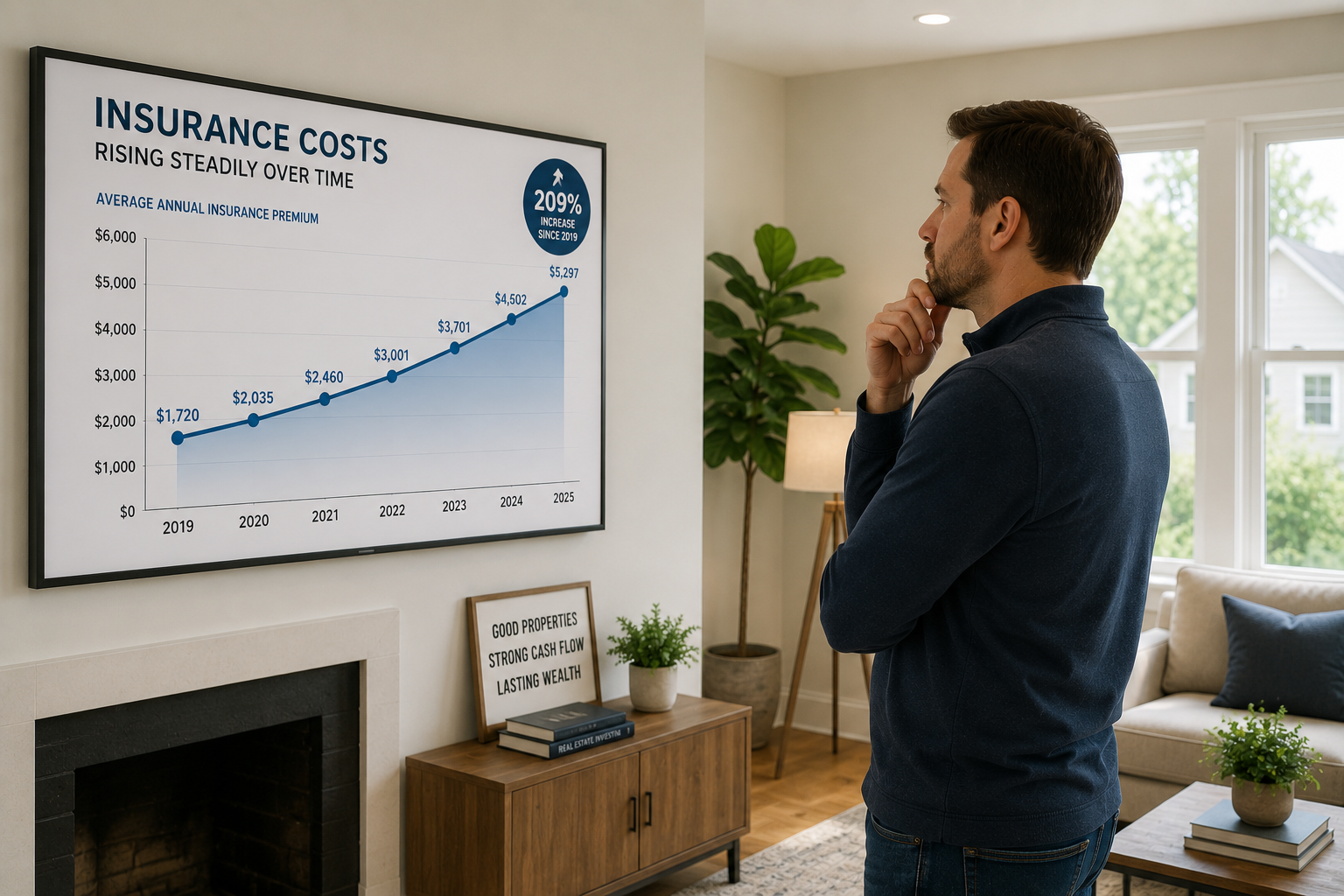
A lot of landlords opened their renewal notices in 2026 and had the exact same reaction:
“Wait… why did my premium jump this much?”
And honestly, the frustration is understandable.
In many cases, landlords are seeing:
- double-digit premium increases
- higher deductibles
- stricter underwriting
- and reduced coverage options
…even when:
- they never filed a claim
- their tenants are stable
- and nothing about the property itself changed
So naturally, many property owners assume insurance companies are simply raising prices because they can.
But the reality is a little more complicated than that.
The landlord insurance market has been under growing pressure for several years now. And in 2026, multiple trends are colliding at the same time:
- climate-related losses
- rising construction costs
- higher lawsuit exposure
- inflation
- and surging reinsurance expenses
The result is that insurance is becoming significantly more expensive for rental property owners across large parts of the United States.
Learn what landlord insurance typically costs.
Climate Risk Is Reshaping Insurance Pricing
This is probably the biggest driver behind recent increases.
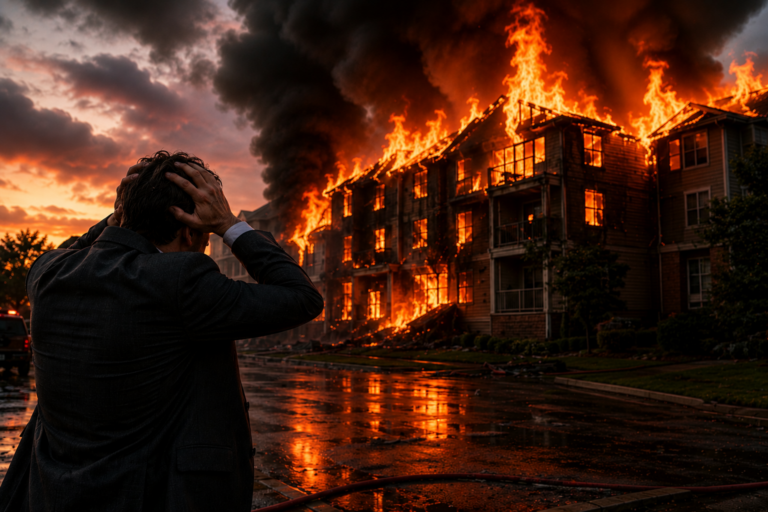
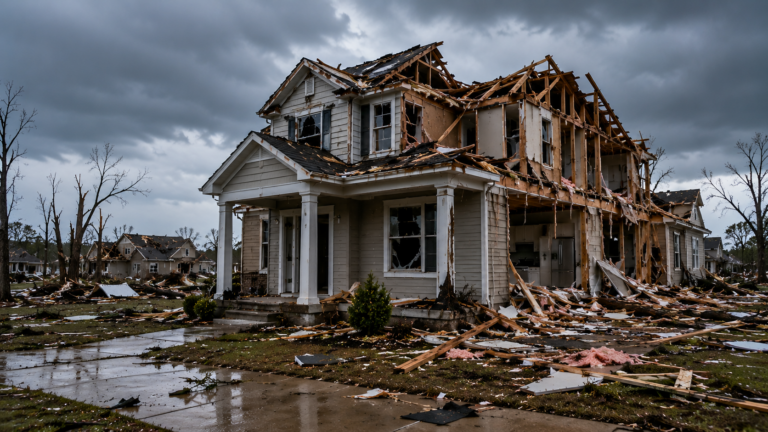
Extreme weather events have become both more frequent and more expensive for insurers.
Hurricanes.
Wildfires.
Flooding.
Hail damage.
Severe storms.
Even landlords outside traditional disaster zones are starting to feel the impact indirectly through broader insurance market pricing.
According to a recent report highlighted by Barron’s, commercial real estate insurance premiums have risen dramatically in recent years as climate-related risks and reinsurance costs continue increasing.
And rental properties are heavily affected because insurers increasingly view real estate as a high-exposure asset class in disaster-prone regions.
This becomes especially noticeable in states like:
…but honestly, premium pressure is spreading well beyond those markets now.
Rebuilding Properties Costs Much More Than It Used To
Even when weather is not involved, repair costs have climbed sharply.
Construction materials remain expensive.
Labor costs are higher.
Contractor shortages continue in many regions.
So when insurers pay claims today, the payouts are significantly larger than they were just a few years ago.
For example:
a water damage claim that may have cost $12,000 to repair several years ago could now cost substantially more once:
- labor
- permits
- materials
- and code compliance upgrades
…are factored in.
Insurance companies price future risk based on expected future payouts.
And those payouts have become much more expensive.
Reinsurance Costs Are Quietly Affecting Everyone
This is the part many landlords never hear about.
Insurance companies themselves buy insurance.
It is called reinsurance.
Reinsurance helps insurers absorb catastrophic losses from large-scale events like hurricanes, wildfires, or regional disasters.
But reinsurance pricing has surged globally in recent years as catastrophic losses keep increasing.
And when insurers pay more for reinsurance, those costs eventually get passed down to property owners through higher premiums.
So even landlords with perfectly clean claims histories can still experience major premium increases because the broader insurance market itself has become more expensive to operate.
Short-Term Rentals Are Also Changing Risk Models
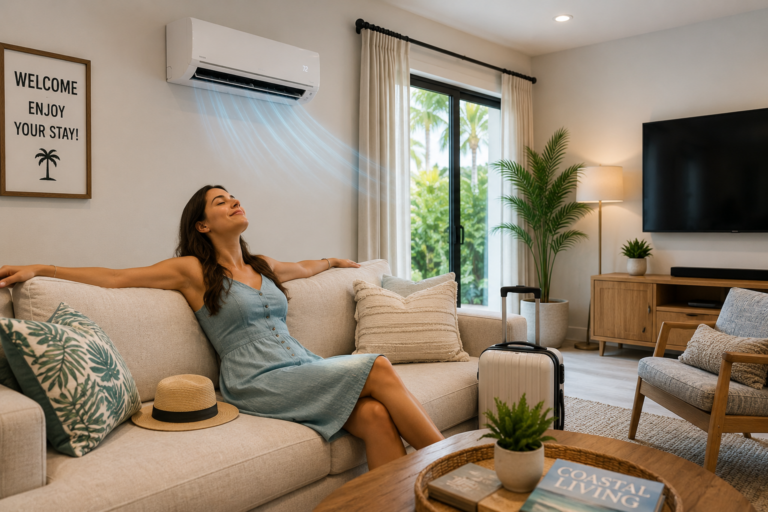
This matters especially for Airbnb and vacation rental hosts.
Properties operating through Airbnb or VRBO naturally involve:
- higher guest turnover
- increased liability exposure
- more accidental damage risk
- and more frequent claims potential
From an insurer’s perspective, these properties often behave differently than traditional owner-occupied homes.
Which means:
- underwriting becomes stricter
- pricing becomes more aggressive
- and coverage limitations become more common
Some insurers have even reduced exposure to certain STR-heavy markets altogether.
Lawsuits and Liability Claims Are Becoming More Expensive

Another factor driving premiums higher:
legal costs.
Liability claims involving:
- tenant injuries
- guest accidents
- habitability disputes
- or property-related lawsuits
…have become increasingly expensive to defend and settle.
Even relatively routine claims now involve:
- higher attorney costs
- larger medical expenses
- and more aggressive litigation environments
Insurance companies build those projected legal costs directly into premium pricing.
And landlords ultimately absorb part of that financial pressure through renewals.
What Landlords Can Actually Do About It
This is the important part.
While landlords cannot control the broader insurance market, there are still several ways to reduce long-term insurance pressure.
Maintain the Property Proactively
Insurance companies look very closely at:
- roof condition
- plumbing systems
- electrical updates
- HVAC age
- and prior maintenance
Properties with obvious deferred maintenance often receive:
- higher premiums
- policy restrictions
- or outright coverage denials
Avoid Frequent Small Claims
Multiple small claims can hurt insurance pricing more than many landlords realize.
Experienced investors often reserve insurance for major financial events instead of minor maintenance-level repairs whenever possible.
Review Coverage Structure Carefully
Some landlords accidentally overinsure certain risks while remaining underinsured elsewhere.
Reviewing:
- deductibles
- liability limits
- replacement cost coverage
- vacancy clauses
- and STR-specific endorsements
…can sometimes improve pricing efficiency without weakening protection.
Shop Around More Often
Different insurers evaluate risk very differently in 2026.
One carrier may aggressively price a market while another remains competitive in the exact same area.
Especially for:
- short-term rentals
- coastal properties
- or multi-unit portfolios
…it often makes sense to compare quotes periodically rather than auto-renewing forever.
The Bottom Line
Landlord insurance premiums are rising in 2026 because the overall risk environment has changed dramatically.
It is not just one issue.
It is the combination of:
- climate losses
- inflation
- rebuilding costs
- lawsuits
- reinsurance pressure
- and evolving rental property risks
And honestly, most signs suggest insurance pricing may remain elevated for the foreseeable future.
That makes proper coverage strategy more important than ever for landlords and STR operators alike.
Because while rising premiums are frustrating, being underinsured during a major loss can become far more expensive long term.
If you own rental property or operate short-term rentals through Airbnb or other vacation rental platforms, reviewing your landlord insurance structure in 2026 may help you identify unnecessary cost exposure while still protecting the property properly.
The goal is not simply finding the cheapest premium anymore.
It is finding coverage that still works when the unexpected actually happens.
Whether you own a long-term rental, vacation home, or Airbnb property, comparing landlord insurance options only takes a minute and could save you from expensive surprises later.Protect Your Rental Property With the Right Coverage