What Happens When Landlords Don’t Have Insurance?
A lot of landlords skip insurance for the same reason people skip extended warranties.
Nothing bad has happened yet.
And honestly, at first glance, landlord insurance can feel like just another recurring expense cutting into cash flow.
Especially for:
- first-time investors
- accidental landlords
- owners of one-off rental properties
- or Airbnb hosts trying to maximize profitability
So some property owners take shortcuts.
They keep a standard homeowners policy on a rental.
Or they reduce coverage aggressively.
Or in some cases, they skip landlord insurance altogether.
The problem is that rental properties operate like businesses whether landlords think of them that way or not.
And businesses carry risk.
Sometimes very expensive risk.
The Financial Math Usually Looks Fine, Until Something Happens
This is what makes insurance decisions tricky.
For years, a landlord may pay premiums without ever filing a claim.
That naturally creates the feeling that the insurance was unnecessary.
But the entire financial equation changes after a single serious incident.
A fire.
A liability lawsuit.
Water damage.
Vandalism.
Guest injury.
Loss of rental income.
These are not theoretical scenarios.
They happen every day across rental properties in the United States.
And when landlords are uninsured or underinsured, the costs usually come directly out of pocket.
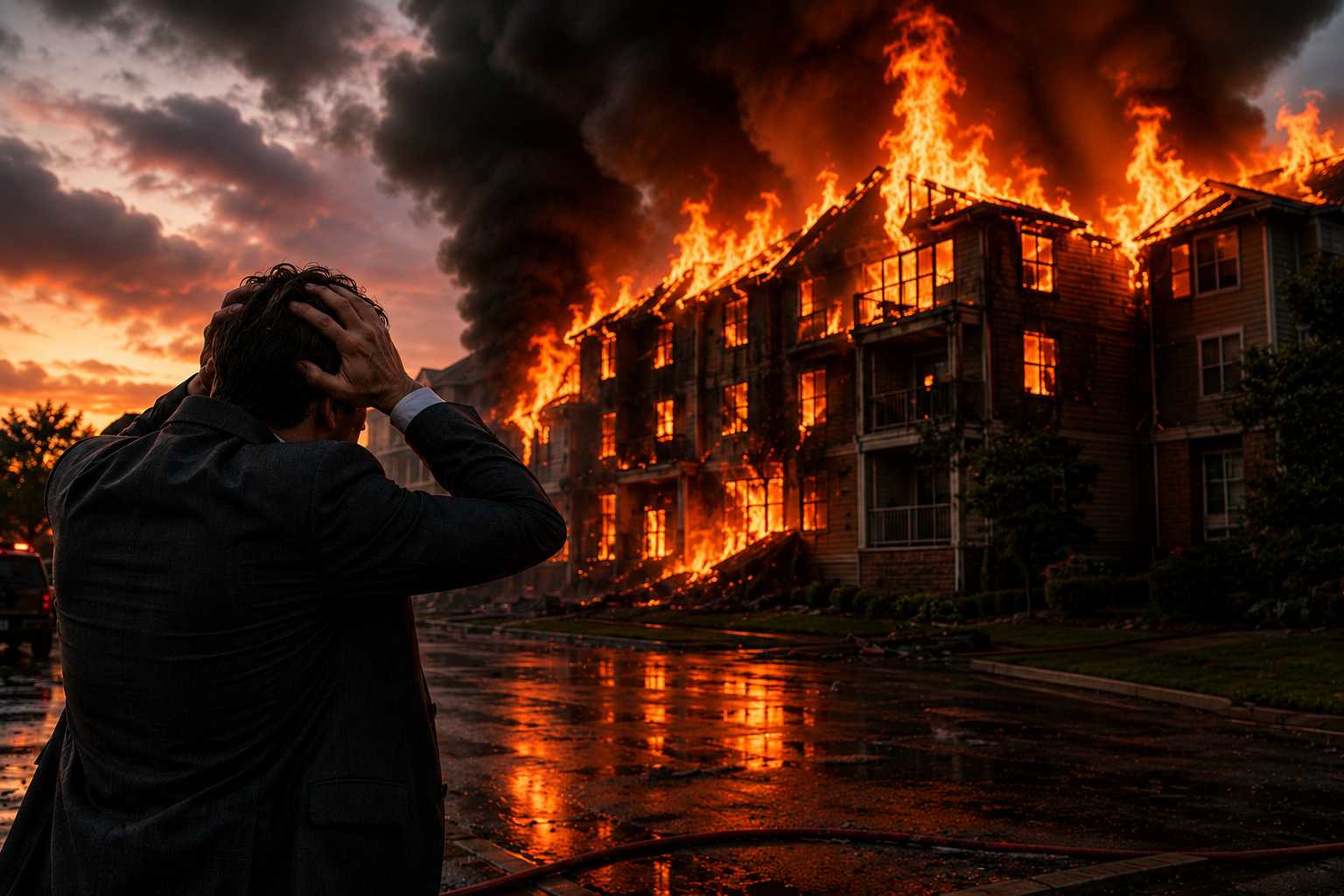
One Fire Can Erase Years of Rental Income

This is probably the clearest example.
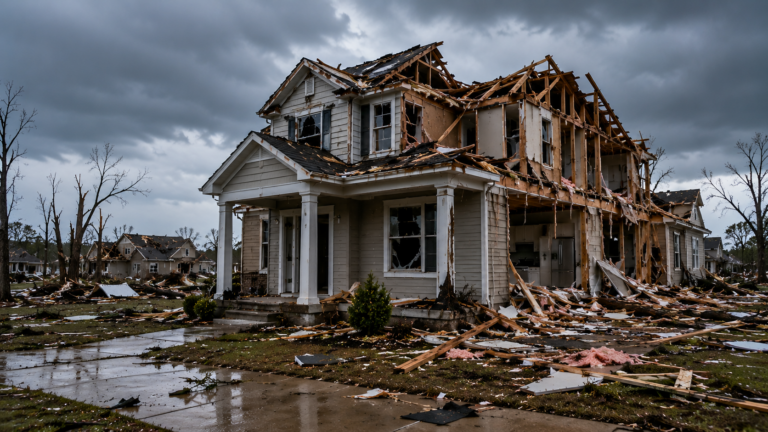
A rental property fire can easily create:
- structural repair costs
- smoke remediation
- temporary housing issues
- code upgrade expenses
- legal liability
- and months of lost rental income
According to several landlord insurance industry estimates, major fire claims often reach anywhere between $50,000 to well over $100,000 depending on the extent of the damage.
And this is where many uninsured landlords get hit twice financially.
Not only do they face rebuilding costs, but they also lose the rental income while the property sits vacant during repairs.
Meanwhile:
- mortgage payments continue
- property taxes continue
- utility bills continue
The expenses rarely stop simply because the property became uninhabitable.
Real-World Example: Claim Denied Because the Property Was a Rental
One published landlord case study described a property owner who assumed their standard homeowners insurance would cover a tenant-occupied property.
After a kitchen fire caused major damage, the insurer denied the claim because the property was being rented out rather than owner-occupied. The landlord reportedly faced:
- roughly $25,000 in repair costs
- plus months of lost rental income
- entirely out of pocket
And honestly, this is one of the most common misconceptions in rental property investing.
Many landlords assume:
“A house is a house.”
But insurers do not see it that way.
The moment a property becomes income-generating, the risk profile changes significantly.
Liability Claims Can Become Even Worse
Property damage is expensive.
Lawsuits can become catastrophic.
Imagine a tenant slipping on damaged stairs.
Or a guest injury at a short-term rental.
Or faulty wiring causing harm to neighboring units.
Without landlord liability coverage, legal expenses alone can escalate extremely quickly.
One published case example involved a tenant injury lawsuit where the landlord reportedly paid thousands in compensation and legal costs after operating without proper liability protection.
And the difficult part is that liability claims are unpredictable.
Even relatively minor injuries can lead to:
- attorney fees
- medical costs
- settlement negotiations
- and extended legal disputes
This is one reason experienced investors usually view insurance less as an “expense” and more as financial risk containment.
Short-Term Rentals Create Even More Exposure
This becomes especially important for STR operators.
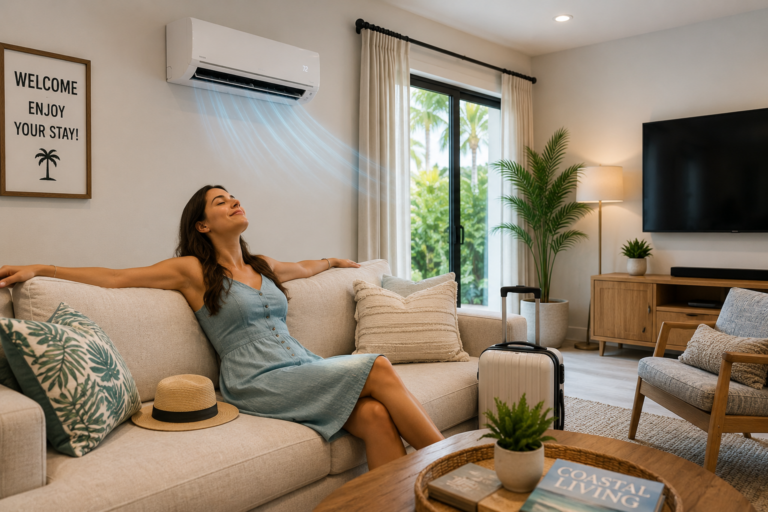
Properties listed through Airbnb, VRBO, or similar vacation rental platforms naturally carry:
- higher guest turnover
- more liability exposure
- more accidental damage risk
- and more operational complexity
Most guests are perfectly respectful.
But when dozens or hundreds of different people stay inside a property every year, the statistical chances of incidents naturally increase over time.
And many hosts still incorrectly assume platform protections fully replace landlord insurance.
They usually do not.
Programs like AirCover can help in certain situations, but they are not designed to replace comprehensive landlord or STR insurance policies entirely.
Get your quote for STR insurance today.
Vacant Properties Create Hidden Insurance Problems Too
Another issue landlords discover late:
many policies contain vacancy limitations.
If a property sits empty for extended periods without disclosure, coverage may become restricted depending on the policy terms.
One published landlord example involved an uninsured vandalism loss during a vacancy period where repairs reportedly had to be paid entirely by the owner after coverage issues surfaced.
And vacancy risk is more common than people think.
Especially during:
- renovations
- tenant turnover
- slow markets
- permit delays
- or seasonal STR downtime
Did you know Coverlyn can help you find coverage for a vacant property? Learn more.
The Cost of Insurance Is Usually Small Compared to the Risk
This is where the financial comparison becomes interesting.
Industry data often shows annual landlord insurance premiums representing only a small fraction of yearly rental income.
Meanwhile, uninsured losses can instantly reach:
- tens of thousands
- or even six figures
And unlike maintenance costs, catastrophic losses rarely arrive gradually.
They arrive all at once.
That is what financially destabilizes landlords.
Why Experienced Investors Rarely Skip Coverage
Most long-term investors eventually realize something important:
the goal is not maximizing profit during perfect years.
The goal is surviving bad years financially.
Because real estate investing works over long timelines.
And over long enough timelines, unexpected incidents eventually happen:
- fires
- storms
- lawsuits
- tenant disputes
- water damage
- vandalism
- liability claims
Insurance exists because these events are unpredictable but financially devastating.
The Bottom Line
Skipping landlord insurance may feel like saving money in the short term.
But the financial downside of one serious incident can easily outweigh years of premium savings.
Especially for:
- rental property owners
- Airbnb hosts
- vacation rental investors
- and landlords relying on rental income to support mortgages or cash flow
The difficult part about insurance is that its value often becomes obvious only after something goes wrong.
And by that point, it is usually too late to fix the coverage gap.
If you own rental property or operate short-term rentals through Airbnb or other vacation rental platforms, reviewing your insurance coverage before a major incident happens is one of the simplest ways to protect both the property and the income attached to it.
The right landlord or STR insurance policy can help prevent one unexpected event from turning into a long-term financial setback.
Whether you own a long-term rental, vacation home, or Airbnb property, comparing landlord insurance options only takes a minute and could save you from expensive surprises later.Protect Your Rental Property With the Right Coverage