What Most Landlords Get Wrong About Liability Insurance: 4 Common Myths
Most landlords think about liability insurance the same way they think about seatbelts.
You hope you never need it.
But you’re glad it’s there when something goes wrong.
The problem is that many property owners assume they understand what liability insurance covers when they really don’t.
And those misunderstandings can become expensive.
Very expensive.
A slip-and-fall lawsuit.
A discrimination claim.
An injury involving a guest.
Or simply renting out a property under the wrong insurance policy.
Any one of these situations can leave a landlord facing legal bills, settlements, and financial exposure they never saw coming.
Let’s look at four of the biggest landlord liability myths that continue to catch property owners off guard.
Myth #1: Salting and Shoveling Always Reduces Your Liability
This one surprises a lot of people.
Most landlords assume that if they shovel snow or spread salt on an icy walkway, they’re automatically reducing their legal risk.
Not necessarily.
In some situations, doing a poor job of snow or ice removal can actually increase your liability.
The reasoning is fairly simple.
Once you decide to remove snow or ice, you’ve taken action to make the area safer.
If that effort is done negligently and someone gets hurt because of it, courts may view the situation differently than if the snow had simply been left alone.
For example:
- A walkway is lightly salted but remains dangerously icy.
- Snow is shoveled into piles that later melt and refreeze.
- Water is sprayed on a surface and creates hidden ice patches.
- A path is partially cleared, creating a false sense of safety.
In situations like these, a visitor may argue they trusted the walkway was safe because the landlord had already attempted to address the hazard.
The lesson isn’t to stop clearing snow.
It’s to do it properly.
Smart landlords should:
- clear snow completely when possible
- use adequate ice melt products
- monitor refreezing areas
- document maintenance efforts
- hire professionals when necessary
The goal isn’t simply showing effort.
The goal is removing the hazard effectively.
Myth #2: Liability Insurance Covers Discrimination Lawsuits
This is one of the most dangerous misconceptions in rental property ownership.
Many landlords assume their liability coverage will defend them if a tenant files a discrimination claim.
In most cases, it won’t.
Standard landlord liability insurance is generally designed to cover:
- bodily injury claims
- property damage claims
- certain legal defense costs related to those claims
It is typically not designed to cover accusations involving:
- Fair Housing violations
- discrimination
- civil rights complaints
- ADA-related claims
- intentional misconduct
And unfortunately, discrimination claims can become extremely expensive even when the landlord ultimately wins.
Legal fees alone can quickly reach tens of thousands of dollars.
That’s why prevention matters so much.
Landlords should focus on:
- consistent screening criteria
- written policies
- documented communication
- fair housing compliance
- proper staff training
A good paper trail often becomes your best defense.
Because once a discrimination claim begins, insurance may not be riding to the rescue.
Myth #3: Every Guest Injury Is Automatically Covered
A lot of landlords believe that if someone gets hurt on the property, liability insurance will simply take care of everything.
The reality is more complicated.
Yes, liability insurance often covers common incidents such as:
- slip-and-fall accidents
- injuries caused by property defects
- certain accidents in common areas
- falling object injuries
But there are important exceptions.
Coverage can become limited or disputed when:
- the landlord knew about a hazard and failed to fix it
- intentional actions caused the injury
- criminal activity is involved
- policy limits are exceeded
- excluded activities are involved
The “known hazard” issue is especially important.
Imagine a tenant repeatedly reports a loose stair railing.
The landlord ignores it.
Several weeks later, a visitor falls and gets injured.
The insurer may argue the landlord knowingly allowed a dangerous condition to remain.
And that’s where claims become much more complicated.
This is why documentation matters so much.
Landlords should keep records of:
- maintenance requests
- repair schedules
- inspections
- contractor invoices
- completed work
If a claim ever arises, those records can become extremely valuable.
Myth #4: Homeowners Insurance Covers Rental Properties
This is probably the costliest myth on the list.
Many first-time landlords assume they can simply keep their homeowners policy after moving out and renting the property.
That assumption creates one of the biggest insurance gaps in real estate.
Homeowners insurance is designed for owner-occupied properties.
Rental properties create an entirely different risk profile.
Once tenants move in, the property is no longer being used the way the policy was designed to cover.
That means a standard homeowners insurer may deny claims involving:
- tenant injuries
- guest injuries
- rental-related liability
- loss of rental income
- tenant-caused damage
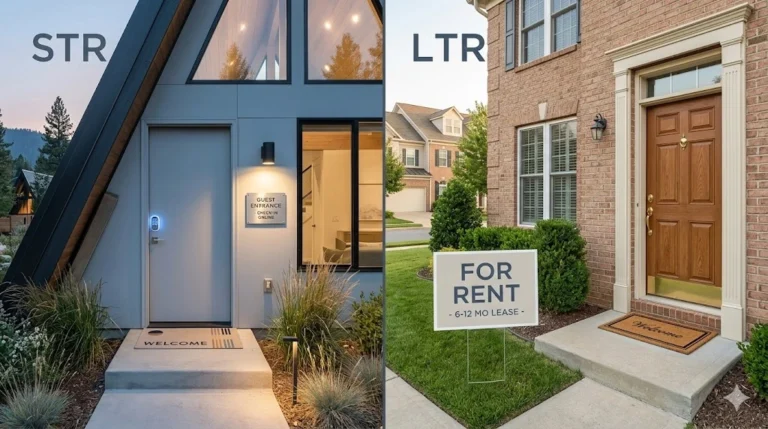
Even short-term rentals can create issues.
Many homeowners discover too late that their policy doesn’t fully cover Airbnb or VRBO activity.
And insurers aren’t usually sympathetic when they discover the property was being rented without disclosure.
The result can be devastating.
A denied claim.
A canceled policy.
And potentially thousands of dollars in uncovered losses.
The solution is simple:
If the property becomes a rental, make sure the insurance becomes landlord insurance too.
Why State Laws Matter More Than Most Landlords Realize
One thing many investors overlook is that landlord liability isn’t the same everywhere.
State laws vary significantly.
Some states have specific snow removal requirements.
Others impose strict maintenance obligations.
Certain jurisdictions have unique rules regarding:
- habitability standards
- security features
- lead paint disclosures
- mold remediation
- smoke detectors
- maintenance timelines
And when landlords fail to comply with those requirements, liability exposure often increases.
Insurance helps.
But compliance remains the first layer of protection.
Liability Protection Starts Before the Insurance Policy
The best liability claim is the one that never happens.
Insurance is important.
But good property management often prevents problems from reaching the insurance stage in the first place.
Some of the smartest risk-reduction strategies include:
- screening tenants carefully
- documenting everything
- conducting regular inspections
- addressing maintenance issues quickly
- maintaining common areas
- using qualified contractors
- requiring renters insurance
These habits not only reduce claims.
They also make defending yourself much easier if a claim ever occurs.
The Bottom Line
Landlord liability insurance is one of the most important protections rental property owners can carry.
But the biggest mistakes often happen when landlords assume they’re covered without understanding the details.
A poorly shoveled sidewalk.
A discrimination complaint.
An ignored maintenance issue.
Or the wrong insurance policy entirely.
Any one of these can create financial exposure that far exceeds the cost of the insurance premium itself.
The best approach is simple:
Understand what your policy covers.
Understand what it doesn’t.
And don’t assume liability protection works the way many landlords think it does.
Protect Your Rental Property With the Right Coverage
Whether you own a long-term rental, vacation home, or Airbnb property, comparing landlord insurance options only takes a minute and could save you from expensive surprises later.
If you own rental property or operate short-term rentals through Airbnb or other vacation rental platforms, reviewing your liability coverage regularly can help uncover potential gaps before they become expensive problems.
The right landlord insurance policy should protect not just the property itself, but also the financial future you’ve worked hard to build.