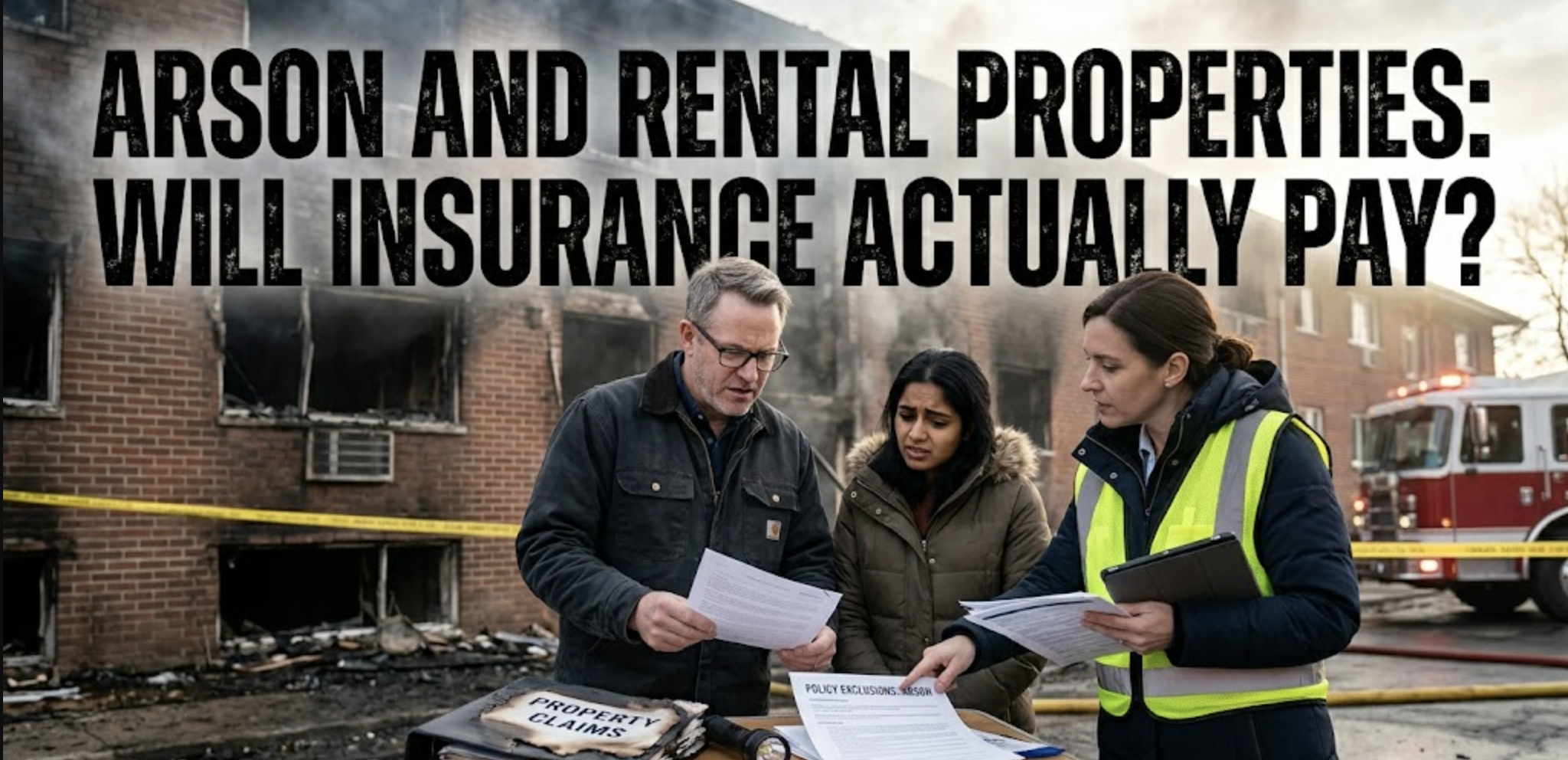
Arson and Rental Properties: Will Insurance Actually Pay?
Most landlords think about common risks when buying insurance.
Things like:
- water damage
- storms
- liability claims
- guest accidents
- vandalism
But very few property owners seriously think about arson until they are forced to.
And honestly, that makes sense.
Intentional fire damage feels extreme compared to the day-to-day issues landlords usually deal with.
But when it does happen, the financial damage can be massive.
Especially for:
- rental property owners
- vacant properties
- multi-unit landlords
- and short-term rental hosts operating through platforms like Airbnb or VRBO
The good news is that landlord insurance often does cover arson-related damage in many situations.
But like most insurance questions, the real answer depends heavily on:
- who caused the fire
- how the property was being used
- whether policy conditions were met
- and what type of coverage the landlord actually carries
Does Landlord Insurance Usually Cover Fire Damage?
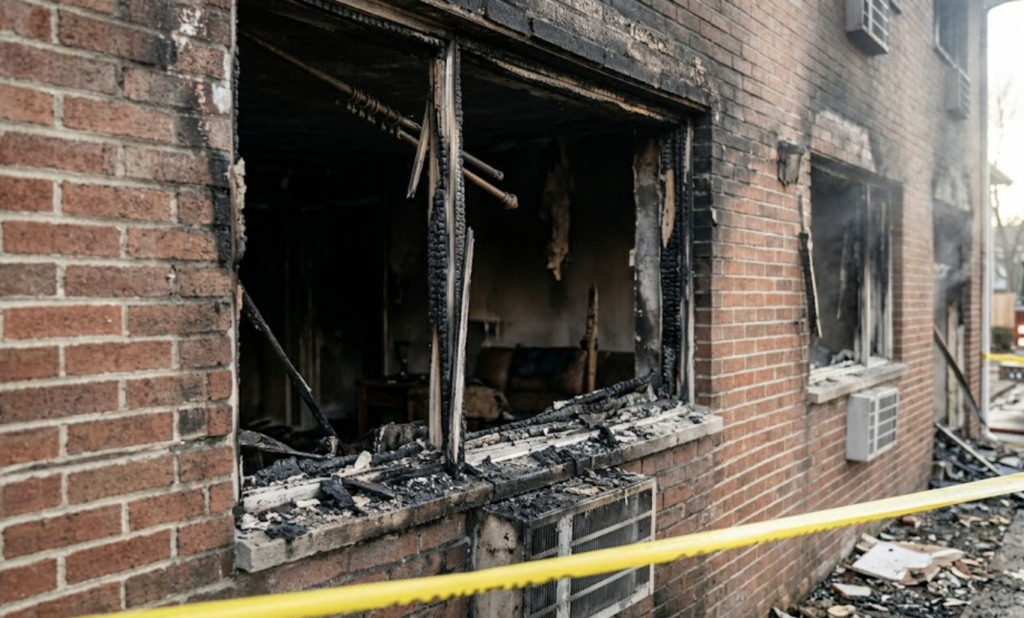
In general, yes.
Most landlord insurance policies include coverage for fire and smoke damage caused by covered events.
That includes many accidental fires as well as certain intentional acts committed by third parties.
For example:
if a tenant, trespasser, vandal, or unknown individual intentionally sets fire to the property, many landlord policies may help cover:
- structural repairs
- detached structures
- smoke damage
- cleanup costs
- and sometimes even temporary loss of rental income
This is one reason fire coverage is considered one of the most important parts of landlord insurance.
Because fires rarely create small repair bills.
A single incident can leave an entire property uninhabitable for months.
Where Things Become More Complicated
This is the part many landlords overlook.
Insurance companies investigate fire claims very carefully, especially when arson is suspected.
And understandably so.
Intentional property fires create a much higher fraud risk than normal accidental claims.
So while landlord insurance may cover arson caused by tenants or outside parties, coverage can become much more complicated if:
- the property owner was involved
- negligence contributed heavily to the loss
- the property was misrepresented on the policy
- or policy requirements were violated
For example:
if a property was sitting vacant for extended periods without disclosure, some insurers may challenge parts of the claim depending on policy language.
Similarly, if a landlord was operating a short-term rental business while carrying only standard homeowners insurance, the insurer may investigate whether the property usage aligned with the policy terms.
That distinction matters more than many STR hosts realize.
Why STR Properties Carry Additional Fire Risk
Short-term rentals naturally involve more guest turnover.
More guests means:
- more cooking activity
- more electrical device usage
- more unfamiliarity with the property
- and sometimes less accountability than long-term tenancy
Most stays go perfectly fine.
But statistically, higher occupancy turnover can increase the chances of accidental or intentional property damage over time.
And in rare situations, fires can result from:
- guest negligence
- parties
- smoking
- unauthorized activities
- or intentional vandalism
This is one reason many insurers now offer specialized STR insurance instead of relying solely on traditional homeowners coverage.
Because a property operating through Airbnb or other vacation rental platforms carries different risk exposure than a primary residence.
Does Airbnb AirCover Replace Landlord Insurance?
This is another area where confusion happens.
Platforms like Airbnb provide certain host protection programs through AirCover.
And while these protections can absolutely help in some situations, they are not designed to fully replace a dedicated landlord or STR insurance policy.
That’s especially important for large fire-related losses.
Platform protection programs may include:
- eligibility conditions
- exclusions
- reimbursement limitations
- claim documentation requirements
- and coverage gaps
For example:
temporary loss of rental income, structural rebuilding costs, ordinance upgrades, or extended displacement expenses may exceed what platform protections are intended to handle.
In other words:
AirCover can be useful, but most serious property investors still carry their own insurance coverage on top of it.
Get quoted for STR insurance right now.
What Landlords Should Review in Their Policy
A surprising number of landlords never fully review what their policy actually covers until after a major claim happens.
That becomes risky with fire-related incidents because rebuilding costs can escalate quickly.
At minimum, landlords should understand:
- whether fire damage is fully covered
- vacancy limitations
- loss-of-rent coverage
- liability protection limits
- exclusions involving intentional acts
- STR usage disclosure requirements
- and replacement cost terms
Especially for vacation rental owners.
Because insurance companies increasingly ask detailed questions about:
- occupancy frequency
- platform usage
- guest turnover
- and whether the property operates commercially
Trying to “fit” an STR property into a standard homeowners policy simply to save money on premiums can become extremely expensive later if a major claim gets disputed.
Can Tenants Be Held Responsible for Arson?
Potentially, yes.
If a tenant intentionally causes fire damage, landlords may pursue legal action against them for financial losses not covered by insurance.
But realistically, collecting meaningful compensation directly from tenants can often be difficult.
Which is exactly why having proper insurance matters so much in the first place.
Because even when someone else causes the damage, recovery costs still hit the property owner immediately.
The Bottom Line
Arson is not something most landlords expect to deal with.
But fires — whether accidental or intentional — remain one of the largest financial risks rental property owners face.
The good news is that landlord insurance often covers fire-related losses caused by third parties.
The difficult part is making sure the property is insured correctly before something happens.
Especially for:
- Airbnb hosts
- vacation rental owners
- multi-property investors
- and landlords operating income-generating properties
Because once a claim is denied or partially disputed, fixing the coverage gap afterward becomes impossible.
If you currently rent out property through Airbnb, VRBO, or other vacation rental platforms, reviewing your fire and liability coverage is worth doing before an incident occurs.
The right landlord or STR insurance policy can help protect both the property itself and the income attached to it when unexpected situations happen.
Protect Your Rental Property With the Right Coverage
Whether you own a long-term rental, vacation home, or Airbnb property, comparing landlord insurance options only takes a minute and could save you from expensive surprises later.