Why Coastal Area Insurance Costs More
Coastal living has its charms: sea breezes, ocean views, and a lifestyle that seems to move at a different, slower rhythm. However, if you are a homeowner or the landlord of a rental property in a beachside area, you may also be aware of the fact that there is a downside to living close to the water increased insurance premiums.
The reasons behind the higher coastal property insurance prices are not completely random or only about making profits. These homes have to deal with different risks than those of inland homes, and insurers accordingly assign prices to those risks.
Here, we will explain why insuring a house in a coastal area is more expensive, how insurers evaluate that risk, and what practical efforts you can make to protect your home and pay less.
Key Takeaways
- Coastal premiums are higher because the risk of wind, storm surge, and flooding is greater, and repairs are often more expensive there.
- Standard homeowners or landlord policies typically dont cover flood; flood coverage is added separately through a private carrier or programs like the NFIP (National Flood Insurance Program) in the U. S.
- You can lower costs by reducing risk, choosing sensible deductibles, keeping strong documentation, and shopping for policies regularly.
Why Is Coastal Insurance So Expensive?
Weather Risk Is More Severe
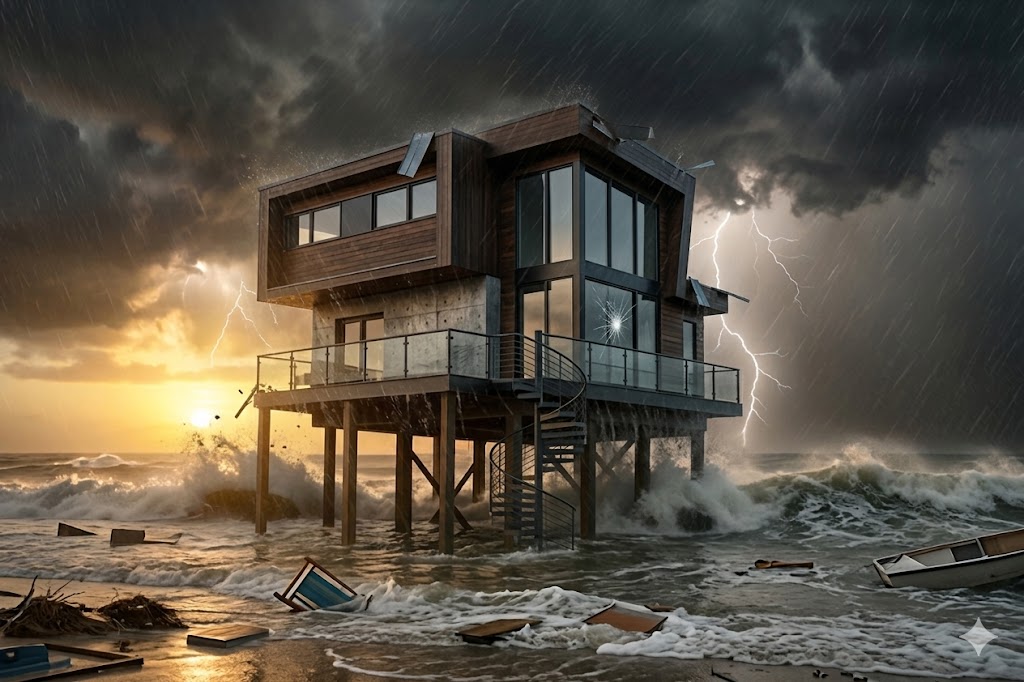
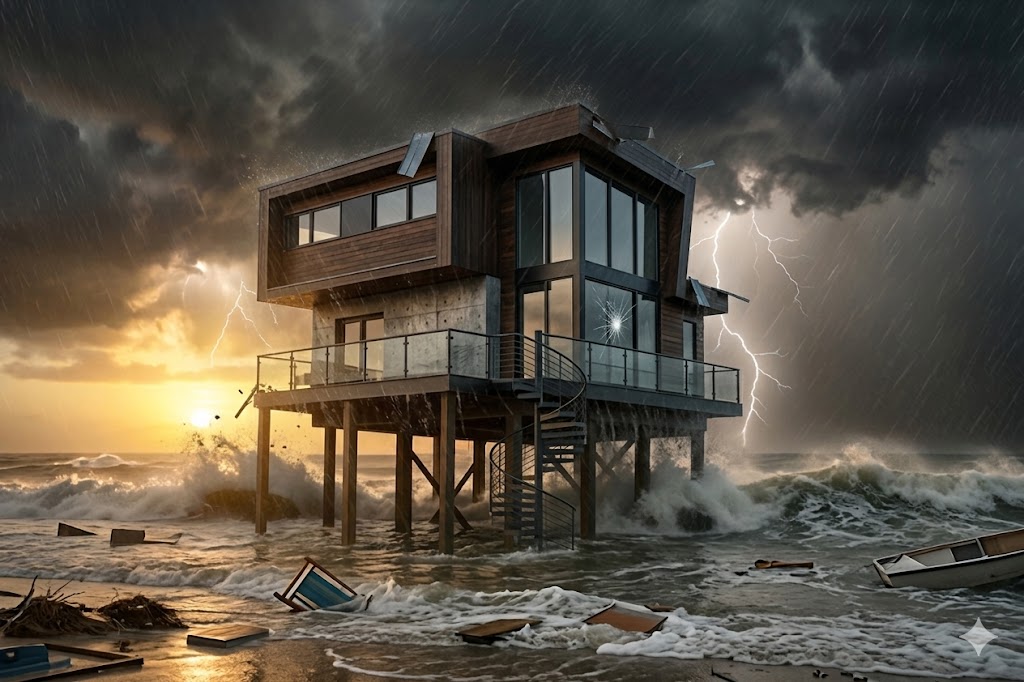
Properties located on the coast are generally in the direct path of most of the power sources of major storms. Tropical systems, for instance, will bring these areas, destroying winds, heavy rains, and storm surges. However, even a very strong non-tropical storm can cause high winds and water to come onto land.
Insurers use storm data and modeling from the last several decades to estimate the probability as well as the seriousness of these events. As the risk of serious damage increases, so do the premiums.
Flooding and Storm Surge Are Issues That Need to Be Addressed
Storm surge (ocean water pushed inland by wind) and heavy rainfall can eventually cause flooding. One of the most important facts that catches many owners by surprise is that standard homeowners and landlord policies usually do not cover flood.
Therefore, hurricane and flood insurance have to be bought separately. Homes located on the coast will most certainly need it, and thus, that extra policy will add to the total cost of being insured.
If you’re not sure how that separate policy works, what the NFIP covers for rentals, or where its coverage caps leave you, see our guide to flood insurance for rental properties.
Salt Air and Humidity Contribute to Wear-and-Tear
Sea air is not very friendly to buildings. Salt and moisture can corrode metal, cause wear down the fixtures, and shorten the life of roofs and even the exteriors of buildings or any other structures. This means more frequent repairs as well as earlier replacements.
Insurers believe that the coast is a place where higher maintenance needs will be the case, and thus, they set policy prices accordingly.
Rebuilding Can Be Expensive
After a major storm, the demand for labor and materials rises significantly. Finding qualified contractors, roofing, windows, and lumber can be more difficult and costly.
Additionally, transporting materials to populated islands or remote coastal areas will increase your costs. When the repair bill is expected to be higher, insurance premiums will reflect that.
Availability Can Be Limited
In some very risky coastal areas, fewer insurers may be willing to provide coverage. When several carriers reduce their exposure or leave a market, there is less competition and prices increase.
Some states have “insurers of last resort, ” such as state-backed programs, to guarantee coverage is still possible. However, these policies may be limited or more expensive than typical private, market options.
The Age of the Building, Codes, and Elevation Are Important
Houses built before the implementation of modern coastal codes may not be as resistant to wind and water. Buildings at low elevation or very close to the shore are more at risk of surge.
On the other hand, elevated houses, roofs with wind rating, and impact-resistant features are all good signs for insurance companies and may help with insurance costs in the coastal area.
Related: How Much Does Landlord Insurance Cost? What Impacts the Price
How Insurers Calculate Coastal Home Insurance
Insurers rely on historical data, data models, and specific property details to forecast potential losses. This is how it actually works:
- Location, distance from the beach, local height above sea level, and topography (water flow and drainage).
- Weather, historical maximum wind speeds, hurricane paths, rain intensities, and surge possibilities.
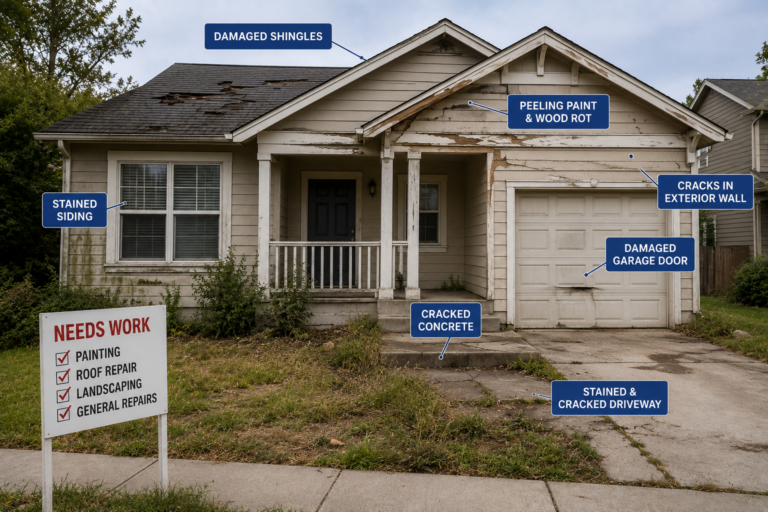
- Property, the age and type of the roof, the strength of the windows/doors, the condition of the exterior siding, and the overall upkeep of the building.
- Coverage, if you have hurricane and flood insurance, if your policy has wind/hurricane deductibles, and the total coverage limits you choose.
Related: Rental Property Insurance: What It Is, What It Covers, & Why You Need It
6 Steps Property Owners Can Take to Lower Premiums
You can’t change the weather, but you can change how your property deals with the weather. Insurers pay close attention to risk-reduction features because they lower the probability (and size) of claims.
Here are some steps landlords can take to reduce coastal insurance premiums:
Step 1: Invest in Storm-Resistant Upgrades First
- Roof: Keep it in good condition. When it is time to replace, consider materials and installation methods suitable for high wind. Properly installed shingles or metal roofs, improved underlayment, and securely fastened decking can all be helpful.
- Impact-rated Windows or Shutters: These protect the building envelope from windborne debris, thus reducing the probability of interior water damage due to storms.
- Reinforced Doors and Garage Doors: Wind, rated doors help prevent blowouts that can lead to severe losses.
- Tie-downs and Connectors: For some types of construction, metal connectors that tie the roof to the walls and the walls to the foundation strengthen the structure.
Pro Tip: Request your insurer to let you know which upgrades earn credits in your area. Sometimes, a small change (like a better, rated garage door) can be surprisingly significant.
Step 2: Improve Flood Resilience
- Elevate Critical Systems: Move electrical panels, water heaters, and HVAC components above expected flood levels where feasible.
- Backflow Valves and Sump Pumps: These help keep water from backing up into the home during extreme rain.
- Drainage and Grading: Make sure water flows away from the structure; keep gutters and downspouts clear and extended.
- Use Water-tolerant Finishes: This minimizes damage and speeds up recovery.
If your property is in a designated flood zone, talk to an experienced agent about flood coverage options (through the NFIP or a private flood insurer). The right combination of coverage and mitigation can protect both your home and your budget.
Step 3: Choose a Deductible You Can Live With
A deductible is what you pay out of pocket before insurance covers the rest of a claim. Higher deductibles generally mean lower premiums.
The key here is balance: pick a number you can comfortably afford without stress if a claim happens. Also, consider keeping an emergency fund so a large deductible doesn’t become a new problem.
Step 4: Maintain the Property—and Keep Proof
Routine care signals lower risk and can reduce disputes during claims:
- Inspect the roof, siding, and windows at least twice a year and after major storms.
- Clear gutters and trim branches near the home.
- Fix small issues (loose flashing, cracked caulk, minor leaks) before they spread.
- Keep date-stamped photos, contractor invoices, and inspection notes. This documentation will help prove that damage came from a specific event, not long-term neglect.
Step 5: Bundle and Shop Smart
- Bundle policies (home/landlord, umbrella, even auto) when it earns a discount—but still compare the total cost and coverage.
- Get multiple quotes from insurers who actively write in coastal regions. Policies can vary widely, especially with wind and hurricane deductibles.
- Review your policies annually. Updated building codes, completed upgrades, and clear loss history can change your pricing and options.
Step 6: Ask About Credits and Certifications
Some regions offer wind mitigation inspections or certification programs that verify your home’s resistant features (roof attachments, window protection, door strength). Sharing these reports with your insurer can qualify you for premium credits where available.
To further enhance the protection of your coastal investment property without breaking the bank, you may contact us to request a quote. Our team of experts will guide you through the process so you can have peace of mind.
How to Get Your Best Coastal Insurance Quote
Here’s a simple, no-stress game plan to bring down your coastal area insurance costs:
Gather Your Info: Year built, square footage, roof age and type, window/door protection, elevation certificate (if you have one), and details of any mitigation upgrades.
Document the Property: Clear photos of the roof, exterior, mechanical systems, and any protective features (shutters, impact windows, reinforced doors).
Know Your Coverage Needs: Dwelling limit that reflects local rebuild costs, liability limits you’re comfortable with, and deductibles you can afford.
Ask About Discounts: Safety devices, wind mitigation reports, loss-free years, multi-policy bundles, and recent renovations may all help.
Compare Apples to Apples: Make sure quotes use similar limits, deductibles, and endorsements. A cheaper quote with much less coverage isn’t a bargain, so be discerning.
Frequently Asked Questions About Coastal Insurance
Do I really need separate flood insurance?
If your risk of flooding is anything more than minimal, it’s wise to explore flood coverage. Standard homeowners and landlord policies usually don’t cover flood, and coastal properties are more likely to face water-related events.
Our full breakdown of what flood insurance covers on a rental property walks through the NFIP limits, the 30-day waiting period, and the loss-of-rent gap.
Will elevating my home lower my premium?
Elevating a home above expected flood levels can significantly reduce flood risk and may lower flood insurance costs. Ask an experienced agent or local contractor about options and potential credits.
Are hurricane deductibles mandatory?
In many coastal states, wind/hurricane deductibles are common and sometimes required for policies covering wind damage. The percentage and rules vary by state and insurer.
Wrapping It Up
Coastal area insurance costs will always be higher than premiums for similar properties inland. That’s the reality of wind, water, and rebuilding challenges.
But higher risk doesn’t automatically mean you’re powerless. You can fortify your property, choose smart coverage, and present a strong case to underwriters—so you’re paying a fair price for coastal home insurance that truly fits your needs.
Contact us today so we can help you protect your coastal investment property. Let’s work on a quote that will let you save on landlord insurance while still giving you the protection you need.
Note: Insurance policies vary by company and location. Always review your specific policy documents and consult a licensed professional for advice about your property.