How to Enhance Your Tenant Screening Process to Protect Your Property from Fraudulent Tenants
As housing affordability continues to be a problem across the US, landlords are facing a new challenge: fraudulent rental application. Forced to apply for more luxury rental properties than they can qualify for, tenants are increasingly resorting to fake identities, documents, and credentials to look legitimate. On top of that, with the help of AI technology, these fake applications look very realistic, so it becomes really hard for landlords to distinguish between what’s true and what’s false.
Whether you are a traditional landlord or an accidental landlord, you have to understand this nationwide crisis and how it might impact your business. You also have to develop bulletproof strategies within your tenant screening process to detect fraudulence in order to protect your real estate investment assets.
Let’s take a look at how the issue of the falsified rental applications came about before getting into specific ways to save your rental property.
How the Crisis with Fraud Rental Applications Developed
While tenants have always been trying to falsify their applications, this has become a major national problem over the course of the last couple of years. Eric Tayloor from TurboTenant, an online property management platform, reports that 75% of all US landlords have seen a major increase in fraudulent tenants. The rise in fake rental applications is estimated at about 40%.
According to FOX Business, fraudulent rental applications include falsified or stolen information that provides an improved picture of the tenant’s personal or financial background to make them look eligible for a property that they don’t normally qualify for. The most commonly falsified parts of the application are:
- Forged, yet fully realistic pay stubs to show consistent, high income
- Fake bank statements with more ample financial resources
- Fabricated employment verification letters provided on real letterhead
- Counterfeit identification numbers represented as legitimate alternatives to the social security number
But how did all this come about?
The root cause of this problem is – once again – the affordability crisis. As affordable rental units are insufficient and get quickly depleted, especially in major cities, tenants find themselves forced to apply for luxury properties outside their typical range. While there’s no excuse for providing fake information, it’s easy to understand why some tenants use this trick to find housing and look like legitimate candidates for it.
This widespread phenomenon has been enabled by yet another factor – the rise of AI. Indeed, selling fake rental application packages has turned into a business for many people who use AI tech to create realistically looking documents for tenants across the nation. Such packages are openly promoted on social media, like TikTok, and offer everything that you need to deceive a landlord – from counterfeit bank accounts and clean credit history to phone numbers for employment verification. These packages cost significantly less than one month’s rent, so they are worth it from the point of view of tenants.
Where Fake Fraud Rental Applications Are Most Prevalent
While rental application fraud is on the rise nationally, certain markets are disproportionately affected by it. As quoted by FOX Business, Greystar, a property management company, reports that Atlanta, Georgia is one of the most impacted rental markets. In some areas of the city, as much as half of rental applications are falsified, especially when it comes to luxury units.
Although Atlanta real estate development projects added 11,130 new units in the Downtown area between 2020 and 2024, according to RentCafe, they have not been enough to provide affordable housing for all. So, some tenants see the need to fake their applications to become legitimate.

For comparison, the typical proportion of falsified applications is between 14% and 18% in markets like Durham-Chapel Hill, North Carolina; Charleston, South Carolina; Boston, Massachusetts; Portland, Oregon; and Salt Lake City, Utah.
The Financial Impact on Landlords
Needless to say, the effect of this well-elaborated fraud scheme can be devastating on landlords, both in the short and long run.
Here are the most significant problems that landlords face as they end up taking fraudulent tenants:
- Lost rental income: One of the biggest issues with tenants who use fake applications is that they don’t have the financial means to afford the unit they are applying for. So, they never pay rent. As some luxury rental property landlords offer 1-2 free months to attract renters, they are not able to catch this problem right away. They only understand there is a real issue 3-4 months after placing a new tenant. Meanwhile, they have been operating and maintaining their investment property for a number of months without making any money from it.
- Bad credit increase: As landlords don’t receive the expected rent, they have to write it off as bad credit. However, this option not only negatively impacts their ROI but also contributes to less credibility in case they decide to apply for real estate loans to purchase a new investment property in the future. Thus, rental application fraud and insufficient tenant screening can affect your business in the long term.
- Eviction headaches: Most landlords don’t want to get involved in criminal suits against fraudulent tenants, so they opt for eviction. But this is a long process with significant legal costs and extended deadlines, particularly in tenant-friendly states. For the time being, your property stays vacant, and you’re not getting any rental income, while you still have to cover mortgage payments and other management costs.
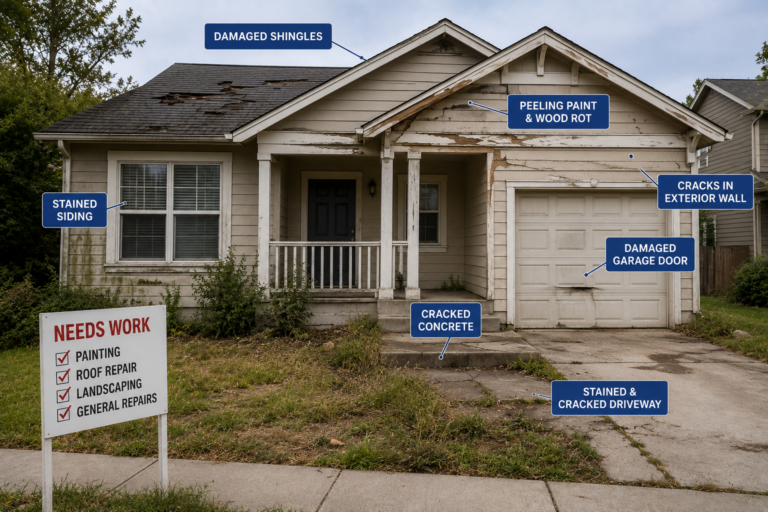
- Rental property worsening condition: Tenants who are not planning to pay rent and who know that they will be eventually evicted have zero care for your property. Fraudulent tenants cause significant damage, while you don’t have the means to maintain your property as you’re not making any money from it. Once again, this causes long-term losses to your rental business.
- Poor business reputation: For landlords who have a number of rental units in the same city, your reputation as a trustworthy landlord might suffer in case you encounter fraud on a few occasions. This might make it harder to find good tenants in the future.
All this means that you have to develop a diligent tenant screening process to catch fraud before it hurts your business.
Tenant Screening: 7 Red Flags to Keep an Eye On
To avoid rental scams, you have to put in place rigid tenant screening processes that enable you to catch any inconsistencies or discrepancies. The good news is that there is software that can help you with that.
But, first, let’s take a look at some things that act as red flags as you evaluate tenant applications:
- Bizarre financial documents: One of the first things you need to focus on is the formatting of pay stubs and bank documents presented along with the application. Make sure they have all necessary watermarks, stamps, and signatures. Check the numbers to ensure that salaries and taxes look realistic rather than some fictional numbers.
- Unwillingness to undergo a standard verification: If a tenant tries to get out of a background or credit check, that’s a major red flag. As long as you have a few potential candidates, there’s no reason to settle for someone who’s acting suspiciously.
- Atypical payment requests: Sometimes a fraudulent tenant might offer to pay a few months of rent in advance with the sole purpose of avoiding a credit check. As a savvy landlord, you should not fall for this trick. Conduct all necessary checks no matter how attractive a renter tries to make themselves.
- Unusual behavior: If an applicant doesn’t request a viewing or refuses to meet in person, this should ring a bell. You should never let a person you don’t fully trust move into your rental property.
- Use of Credit Profile Number (CPN): Although some tenants try to use a CPN instead of their social security number, this is not a legitimate identification number in rental applications. That’s a common scam, so avoid such tenants.
- Applications that look too perfect: If a tenant submits an application where everything looks absolutely perfect – from employment and income to credit and rental history – this is another red flag. For instance, you should consider why this person is not buying a home but choosing to rent. Check all documents diligently and perform the necessary checks.
- Inconsistencies on social media: Finally, without compromising applicants’ privacy, you can check their profiles on social media, such as LinkedIn, to make sure that the employment information is the same as the one presented in the application.
As a landlord, you should keep an eye on any of these red flags to avoid longstanding problems with tricky tenants.
How to Update Your Tenant Screening Process
Property management software for landlords can help you streamline and optimize the tenant screening process to avoid fraud and choose the right renters for your property.

Following is how to screen tenants effectively:
- Set up clear criteria: Before you list your property for rent, establish straightforward standards that applicants need to cover to be eligible. Once you start reviewing applications, ensure that each application meets the criteria.
- Run background checks: Use legitimate third-party services to check for credit history, eviction history, and criminal records. Don’t rely just on the documentation provided by the applicant.
- Verify provided information: Make use of tenant screening software to verify income, employment, and past landlords. Don’t take everything in the application for granted as it might be counterfeit.
- Compare information across documents: Make sure that pay stubs align with employment documents which match tax returns, etc. All the information offered by the tenant should be consistent and show no discrepancies.
- Interview short-listed candidates: Ask to meet in person the 2-3 applicants that stand out the most before deciding whom to rent to. Sometimes your guts, especially if you’re an experienced landlord, can tell you more than any background check and verification process.
- Stay updated on rental applications frauds: As the process of falsifying documents continuously evolves with new technology, keep yourself informed about the newest practices in the industry. This will help you know what to look out for when screening tenants.
While careful tenant screening might take a few extra days, it’s totally worth it to protect your property from bad tenants.
The Role of Comprehensive Landlord Insurance
Even with the most diligent tenant screening process in place, you might still fall victim to fraudulent tenants, so you have to be prepared. This is where comprehensive landlord insurance comes into play.
Specialized rental property insurance goes beyond standard policies to cover things such as:
- Excessive property damage caused by fraudulent tenants
- Loss of rental income during eviction or if the house becomes uninhabitable due to damage by tenants
- Legal costs related to the eviction process
- Landlord liability in case of renters harming others
For comprehensive, yet affordable landlord insurance in all 50 states, check out Coverlyn.
Final Words: How to Protect Your Rental Property Business
Driven by the lack of affordable rental units and supported by AI technology, rental application fraud is more common than ever. But with the help of modern software tools for landlords and some of your own intuition, you can work out a tenant screening process that protects your real estate investment business from bad tenants and their long-term effects. Finally, don’t forget to equip your rental property with the right landlord insurance with comprehensive coverage in case you still run into fraudulent tenants and need to deal with the consequences.
Get in touch with Coverlyn to receive a quote within 5 minutes.