How Landlord Liability Insurance Covers Slip-and-Fall Accidents
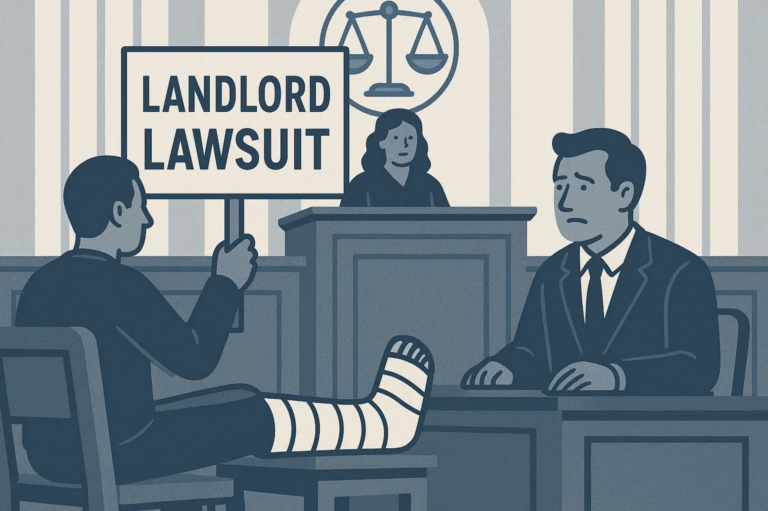
Property owners get sued all the time, and slip-and-fall accidents are probably the number one reason. Someone trips on your rental property, ends up in the hospital, and suddenly you’ve got lawyers breathing down your neck. Maybe it was that flooring you kept putting off, maybe a wet spot nobody marked, maybe ice from last week’s storm you didn’t get around to clearing. Doesn’t really matter, you’re still the one holding the bag.
The worst part is this: even when you’re not at fault, defending yourself costs an absolute fortune. Legal fees add up faster than you’d think. That’s where landlord liability insurance comes in. It handles the attorneys, the court costs, the settlement checks, all of it.
What Actually Causes These Accidents
Slip-and-fall accidents happen when someone loses their footing because of a hazard on your property. At rental properties, the usual suspects are:
- Wet floors from leaks or cleaning
- Stairs that are falling apart or missing railings
- Carpet that’s bunched up or pulling away
- Terrible lighting in hallways and stairwells
- Ice and snow that didn’t get cleared from walkways
The injuries can be anything from bruises to full-on catastrophic stuff. Broken hips, back injuries, head trauma. When medical bills start hitting five or six figures and someone’s out of work for months, lawyers get involved immediately. And guess who they’re coming after?
Why You’re on the Hook Legally
Here’s the deal: you’re responsible for keeping your property reasonably safe. Not perfect, but reasonable. That covers everyone who’s supposed to be there, your tenants obviously, but also their guests, the UPS guy, repair people, anyone with a legitimate reason to be on the property.
The legal issue comes down to landlord negligence. Did you know about the problem? Should you have known? Did you have time to fix it? If any of those answers are yes, you’re probably getting sued.
Personal injury lawyers work on contingency, which means they don’t get paid unless they win. That makes it super easy for people to sue even when the situation’s sketchy. They go after everything: medical bills, lost wages, pain and suffering, future medical costs, their own legal fees.
And here’s the thing nobody tells you, even if you win, you lose money. Defense attorneys charge $300-500 an hour. Discovery, depositions, expert witnesses, all that stuff adds up. You can easily drop $30,000 to $75,000 just defending yourself on a claim you beat. Without landlord liability insurance, that’s coming straight out of your pocket.
What Landlord Liability Insurance Actually Does
Good landlord liability insurance includes coverage built for exactly these situations. When someone files a claim against you, here’s what the policy does:
- Assigns you a lawyer who specializes in this area, you’re not calling around for attorneys or writing hourly checks
- Covers all defense costs including filing fees, witness fees, and expert consultants, separate from any settlement money
- Handles settlements by evaluating the claim and negotiating with the other side’s lawyer
- Pays court judgments up to your coverage limits if you lose at trial
- Includes medical payments (usually around $5,000) for minor injuries regardless of fault, which can shut down small claims before they escalate
Without landlord liability insurance, every single dollar is on you. One bad fall could wipe out years of rental income.
What These Claims Look Like in Real Life
Your tenant heads out for work early one winter morning. The front walkway is covered in ice from overnight freezing rain. She goes down hard, tears her ACL, needs surgery, and can’t work her retail job for three months. Her lawyer sues you for not maintaining safe conditions.
Someone comes to tour your vacant rental. There’s a spot in the bedroom where the carpet’s pulled away from the tack strips. She catches her foot on it, falls, and tears up her shoulder bad enough to need two surgeries. She never even rented from you, but she’s still suing.
Your tenant’s mom visits for Thanksgiving. When she’s leaving after dark, she uses your back stairs where two of the three light fixtures have been burned out for weeks. She misses a step in the dark and tumbles down half a flight, breaking ribs and her collarbone.
You get three emails over six weeks from your tenant about water leaking under the bathroom vanity. Before you get around to fixing it, she slips on the wet hallway floor and herniates two discs in her back. Her lawyer pulls your emails to prove you knew about it and ignored it.
These aren’t rare situations. This is everyday stuff for landlords. Each one costs anywhere from $40,000 to over $100,000 between legal fees and settlements.
How to Avoid These Claims in the First Place
Landlord Insurance is crucial, but preventing accidents keeps your premiums down and saves you the headache of dealing with slip and fall claims.
Walk your property every month looking for problems. Check walkways for cracks, make sure railings are solid, verify all the lights work, look for water damage, check the condition of your floors. Take photos with dates on them. If a claim happens later, this proves you were actually maintaining the place.
When tenants report safety issues, jump on them immediately. Put up warning signs or tape off the area if you can’t fix it right away, but then fix it ASAP. Keep records of every complaint and what you did about it. The longer you let a known problem sit, the worse it looks in court.
For weather stuff, stay on top of it. Salt and clear snow in winter, clear wet leaves in fall before they get slippery, make sure drainage works in spring so water doesn’t pool up. Have a seasonal routine and stick to it.
Bad lighting is involved in so many of these lawsuits. Put bright lights at every entrance, along walkways, in stairwells, and in parking areas. Replace dead bulbs the second you notice them. Motion sensor lights work great for areas people don’t use constantly.
Fix flooring problems right away. Secure loose carpet with transition strips. Replace worn flooring before someone gets hurt. Make sure mats can’t slide around. Repair cracked tiles and uneven spots immediately. When you mop common areas, block them off until they’re completely dry.
Other Stuff Your Liability Policy Covers
Slip-and-fall claims are just one thing. Your policy typically also covers:
- Wrongful eviction claims when you mess up eviction procedures
- Structural failures like decks collapsing or ceiling materials falling
- Security issues when crime happens because you didn’t provide basic safety measures
- Dog bites when a tenant’s pet attacks someone
Knowing all your exposures helps you figure out if your landlord liability coverage limits are actually high enough.
Bottom Line
Landlord liability insurance gives you experienced legal defense, handles all the negotiations, and protects your personal assets when someone wins a judgment against you. Skip it and one bad accident could cost you more than you’ve made in years of rental income.
Coverlyn combines deep real estate expertise with best-in-class insurance solutions. We’ve partnered with Steadily to bring their top-rated insurance offerings directly to our users, helping landlords like you find comprehensive landlord liability insurance in just minutes. Ready to protect yourself from costly slip-and-fall claims? Get a quote from Coverlyn today.