Comprehensive Guide to Landlord Liability Insurance
As a landlord, it is your duty to make sure that tenants, their guests, and other people are safe in your property at all times. But no matter how much maintenance work you do and how much care you take of your investment and third-party visitors, something can always happen, leaving you liable for material damage or bodily injury. Even the smallest accident can turn into a-few-thousand-dollar bill in your property management budget and ruin your balance.
That’s where landlord liability insurance comes into play. This is the easiest and most straightforward way to protect yourself from personal liability and your rental business from costly legal and medical fees.
In this article, we’ll provide all the information that landlords need to know about this type of policy, from what it covers and what it doesn’t cover, all the way to how much insurance you need to get to be properly protected.
What Is Landlord Liability Insurance?
Landlord general liability insurance is a type of public liability insurance. This means that it safeguards a rental property owner from claims imposed by third parties for incidents that happened while they were present on site.
In What Cases Is a Landlord Liable?
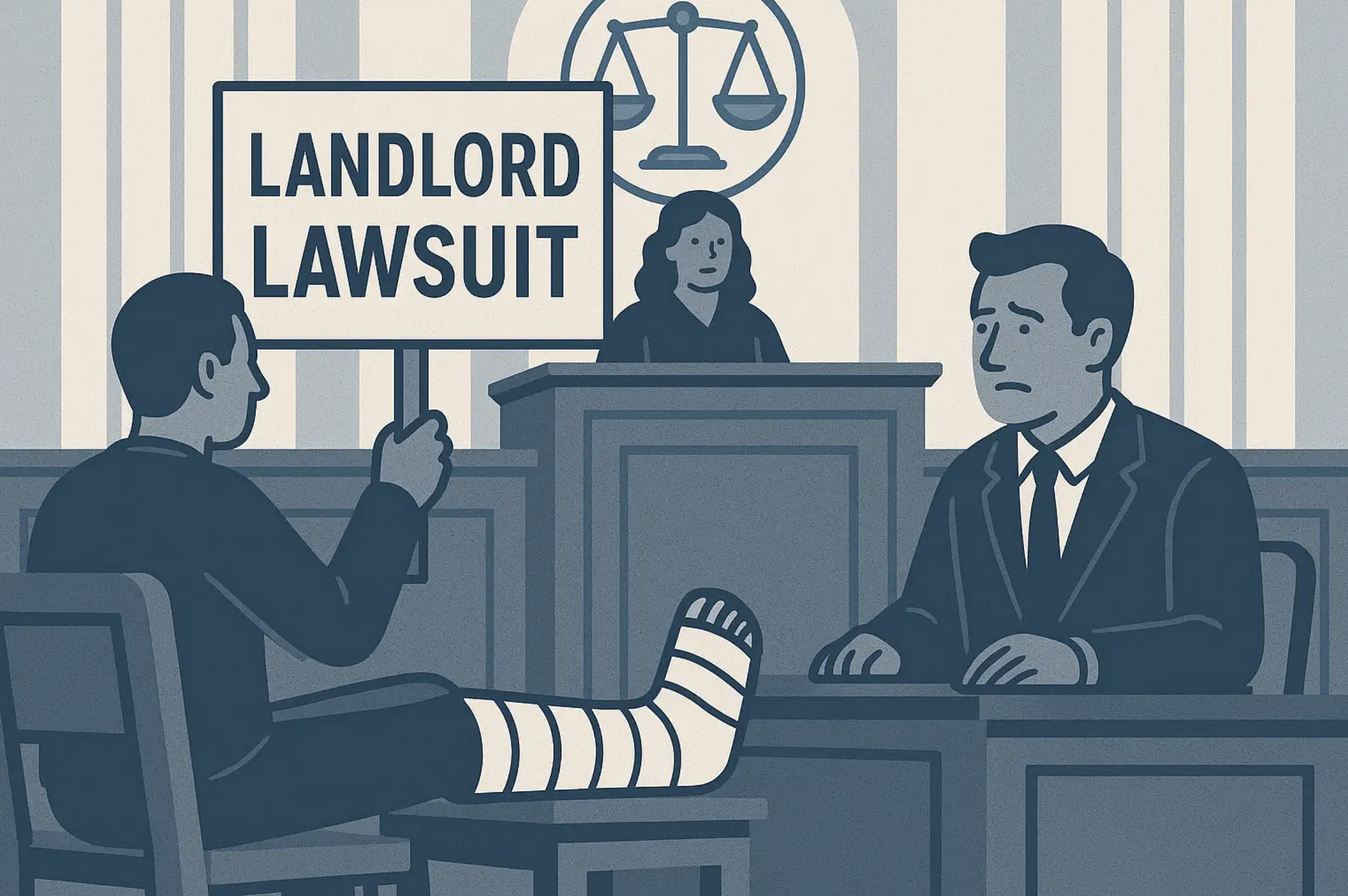
If you’re renting out a house or an apartment, you can be considered liable for damage in a wide range of cases. Some common examples include tenants, their visitors, or members of the public getting injured because of a loose carpet or a broken staircase. They can easily sue you, and if they prove it’s your fault in the lawsuit, you’ll be responsible for covering both the legal fees and the medical bills.
But such unfortunate situations can easily be avoided. All you have to do is to find and get the right coverage and policy.
How Landlord Liability Insurance Protects Property Owners
Liability insurance for landlords works in a very simple way. It covers property damage, legal expenses, and medical fees up to the limit stipulated in the policy you have. This means that it can pay the entire compensation amount or a part of the amount you’re responsible for. So, the higher your coverage, the more protected you are.
Landlord Liability Insurance: What to Keep in MInd
If you already have landlord insurance, you should read through your policy to know if it includes liability insurance. Many rental property insurances automatically protect the landlord for up to $1 million for small properties (1-4 housing units), but that’s not always the case. So, it’s worth checking, and if your policy doesn’t take care of liability, make sure you have it added.
When getting liability insurance policy, keep the following facts into consideration:
- Past accidents are not covered: Your insurance starts protecting you and compensating you for claims once the policy is in force. New liability insurance does not cover accidents and damages that occurred prior to the start date. That’s why it’s a smart move to always have an active policy.
- Landlords need to protect against damage: As a landlord, it is your responsibility to ensure that everything in your property is in shape, including the property structure, outdoor spaces, furniture, and appliances. To do so, you have to perform regular property inspections and require from tenants to report even the smallest damage in a timely manner so that you can repair it before it turns into a liability. And in case an accident still happens despite all your efforts, the insurance company will have your back and protect you against false claims.
- Landlords are sometimes responsible for tenants’ security: Rental property owners have to provide safety to renters in common areas, such as elevators, staircases, hallways, etc. Occasionally, this requires installing security cameras or even hiring security staff, depending on the area where you invest, your specific property, and the prevailing crime rates. Securing your tenants’ safety is a surefire way to protect yourself against unwanted liability.
How Much Liability Insurance Should a Landlord Have?
Your landlord liability insurance coverage should correspond to the needs of your rental business. This is the maximum amount of compensation that the insurance company would provide in case of an accident on your property. So, it should reflect the market where your house is, the type of property you own, the kind of tenants you rent out to, and other factors. Keep in mind that in some areas, local tenant laws impose a minimum requirement, and you need to comply with it.
In any case, if a tenant gets hurt on your property, or if a renter damages your property, you want to make sure that you have enough coverage to pay the bills or repair your home.
So although you’d need to pay a monthly, quarterly, or annual premium, liability insurance for landlords is more than worth it. That’s the way to own a bulletproof rental business without risking its financial stability.
What Does Landlord Liability Insurance Cover?
One of the most important factors to consider when getting liability insurance is what situations and incidents it protects you against.
Here is a list of examples in which landlords can easily be held responsible and where insurance can protect them from unnecessary expenses:
- Bodily injury: In case your tenant or another visitor sustains an injury because of problems with your property or furniture. For example, your renter falling after slipping on a wet floor in the hallway.
- Property damage: If your tenant’s belongings are damaged in a fire resulting from faulty wiring in your house or any other incident that they can claim is your fault because of poor maintenance and management.
- Legal defense costs: Liability insurance covers legal fees, court costs, and other related expenses if tenants sue you for injuries or damages that could have happened because of your negligence as a landlord.
- Third-party injury and damage: The coverage of this policy can extend to members of the general public, such as a delivery guy slipping on the muddy grass outside your rental house.
- Pet-caused injury and damage: If your tenant’s vicious dog bites a neighbor or a neighbor’s dog, your insurance can provide compensation for the medical and legal bills. Similarly, if the pet damages your neighbor’s fence, coverage can extend to pay the costs.
In sum, despite the many benefits of investing in real estate, landlords face a myriad of potential liability situations inside and outside their rental property. Savvy investors get liability insurance to protect themselves and their investments from costly incidents, whether preventable or not.
Related: What Does Landlord Insurance Cover?
Landlord Liability Insurance vs Homeowners Insurance
Many landlords, especially first-time investors trying to save on costs, frequently make the rookie mistake of getting only homeowners insurance to protect their rental property. While such a policy might pay for damages to your actual property, it doesn’t cover liability in the form of bodily injury or deliberate acts of destruction by a tenant. That’s why homeowners insurance is not enough to protect your investment property.
Instead, you need to get proper landlord insurance, in spite of the additional cost. And when choosing the right policy and insurance company, make sure liability is included. This is the only way to minimize the potentially detrimental impact of a range of accidents and deliberate acts that can threaten your rental property and yourself as the owner.
Final Words
While landlord liability insurance is not legally required in the US market, it is a must for savvy real estate investors who want to protect themselves from unexpected expenses and their rental business from bankruptcy. Simple homeowners insurance is not enough, as explained above, so you need specialized rental property insurance with liability coverage.
In the article, we’ve defined what this is, what it covers, and why it’s so important for the financial sanity of an investment property. All that’s left for you is to do your due diligence, compare insurance companies and policies, and select the one that covers your needs in the most comprehensive, yet budget-friendly way.
And if you need help choosing the right policy, don’t hesitate to contact Coverlyn. We are always there to assist you in protecting your assets and yourself.