Rental Property Insurance Cost: What Landlords Can Expect to Pay
One of the first questions new landlords ask is also one of the simplest:
How much does rental property insurance actually cost?
And honestly, there’s no single answer.
A landlord with a single-family rental in the Midwest is going to pay something very different from an investor operating a beach house in Florida or a short-term rental near a major tourist destination.
Still, understanding the average rental property insurance cost can help investors budget properly and avoid surprises before purchasing a property.
Because while mortgage payments and property taxes usually get all the attention, insurance is a recurring expense that directly affects your long-term cash flow.
What Is the Average Rental Property Insurance Cost?
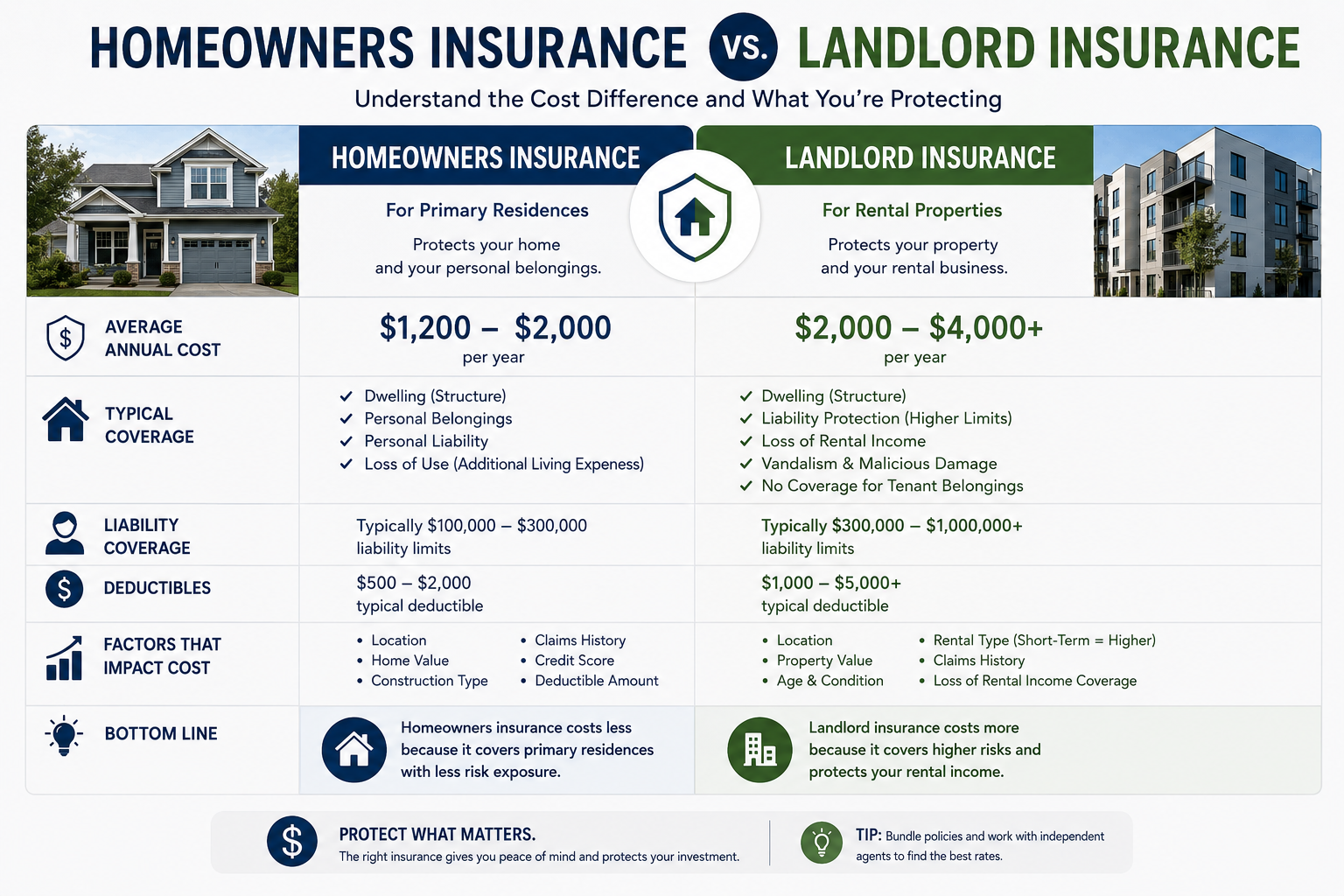
Across the United States, many landlords can expect to pay somewhere between 15% and 30% more than a standard homeowners insurance policy for comparable coverage.
In practical terms, rental property insurance often falls somewhere in the range of $1,200 to $3,000 per year for a typical single-family rental property.
That works out to roughly:
- $100 to $250 per month for many landlords.
- Higher-risk properties may cost significantly more.
- Lower-risk properties in stable markets may come in below that range.
Of course, these are broad estimates.
A duplex, vacation rental, or multi-family property may have very different pricing than a long-term single-family rental.
Why Is Landlord Insurance More Expensive Than Homeowners Insurance?
This is something many first-time investors don’t expect.
After all, the house hasn’t changed.
The roof is the same.
The plumbing is the same.
The neighborhood is the same.
So why does the insurance cost more?
The answer is simple.
The risk changes.
Once someone else is living in the property, insurers have to account for:
- tenant-related liability
- guest injuries
- loss of rental income
- vandalism
- property damage
- legal claims involving tenants
A landlord policy is designed around an income-producing property, not an owner-occupied home.
That additional protection is one reason landlord insurance premiums are generally higher.
What Factors Affect Rental Property Insurance Cost?
No two insurance quotes are exactly the same because insurers evaluate a long list of risk factors.
Some of the biggest include:
Property Location
Location has a huge impact on pricing.
Properties located in areas with:
- hurricanes
- wildfires
- flooding
- hail storms
- or high crime rates
typically carry higher insurance premiums than similar homes in lower-risk areas.
Property Value and Rebuilding Costs
Insurance companies aren’t just looking at what you paid for the property.
They’re estimating what it would cost to rebuild it after a major loss.
As construction labor and material costs continue rising, replacement costs have become a larger part of insurance pricing.
Property Type
The type of rental matters too.
For example:
- single-family rentals
- duplexes
- apartment buildings
- vacation rentals
- Airbnb properties
…all present different levels of risk.
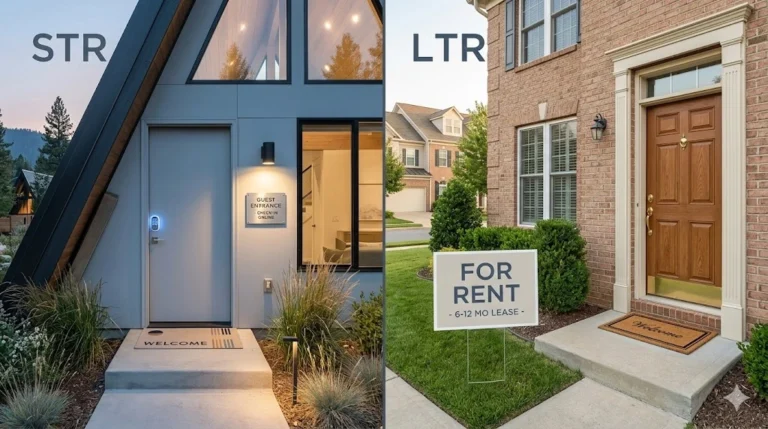
Short-term rental properties often cost more to insure because they involve higher guest turnover and increased liability exposure.
Claims History
A landlord’s insurance history can influence future premiums.
Multiple prior claims may signal higher future risk to insurers.
Even the property’s own claims history can sometimes affect pricing.
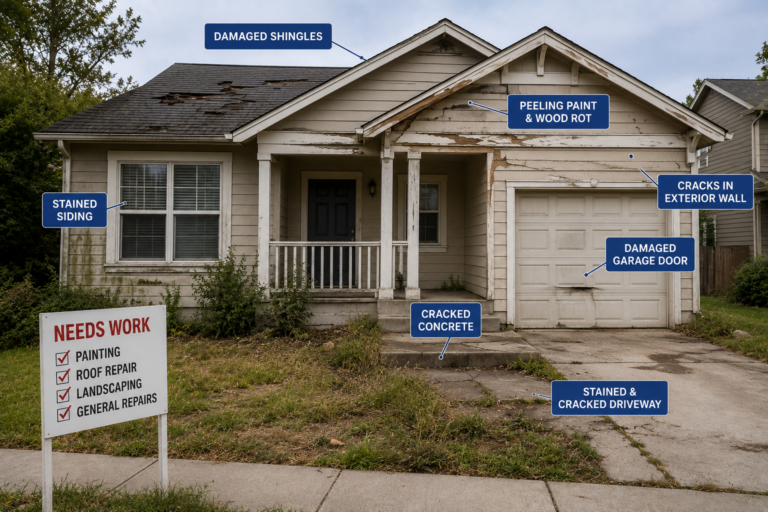
Age and Condition of the Property
Older roofs.
Outdated electrical systems.
Aging plumbing.
These all increase the likelihood of future claims and may lead to higher premiums.
Well-maintained properties often receive more favorable pricing.
How Much Is Rental Property Insurance Per Month?
Many investors prefer thinking in monthly expenses because that’s how they calculate cash flow.
While every property is different, a rough estimate for many landlords is:
| Property Type | Estimated Monthly Insurance Cost |
|---|---|
| Small single-family rental | $100 – $150 |
| Larger single-family home | $150 – $225 |
| Duplex or multi-family property | $175 – $300+ |
| Short-term rental or Airbnb | Varies depending on location and occupancy |
The key thing to remember is that insurance should be viewed as part of the property’s operating expenses rather than an optional add-on.
Does Short-Term Rental Insurance Cost More?
Usually, yes.
Properties listed on Airbnb, VRBO, or similar platforms often carry additional risks because they involve:
- more guest turnover
- higher liability exposure
- more frequent occupancy changes
- increased opportunities for accidental damage
Many hosts assume platform protections replace insurance entirely.
They don’t.
Which is why many STR operators purchase specialized landlord or vacation rental insurance designed specifically for short-term rental activity.
Can You Lower Your Rental Property Insurance Cost?
Fortunately, yes.
While some factors like location are outside your control, landlords can often reduce premiums by improving the property’s overall risk profile.
Some common strategies include:
- bundling multiple insurance policies
- increasing deductibles
- maintaining a claims-free history
- replacing older roofs or plumbing systems
- installing security systems
- upgrading smoke and fire protection equipment
- shopping around at renewal time
Many experienced investors also avoid filing very small claims unless absolutely necessary, since repeated claims can increase future premiums.
Is Cheap Landlord Insurance Always the Best Option?
Not necessarily.
In fact, focusing only on premium price can sometimes become expensive later.
The cheapest policy may also come with:
- lower liability limits
- more exclusions
- weaker loss-of-rental-income coverage
- limited protection for short-term rentals
- stricter vacancy clauses
For most landlords, the goal shouldn’t simply be finding the lowest monthly payment.
It should be finding the best balance between cost and protection.
Because saving a few hundred dollars a year doesn’t mean much if a major claim ends up uncovered.
The Bottom Line
Rental property insurance is one of the core operating costs every landlord should budget for.
While the average rental property insurance cost varies based on location, property type, and risk factors, most landlords can expect to pay more than they would for a comparable homeowners policy.
The good news is that insurance costs are manageable when they’re planned for properly.
And compared to the potential financial impact of a fire, lawsuit, or major liability claim, the annual premium is often a relatively small investment.
At the end of the day, landlord insurance isn’t just about protecting a building.
It’s about protecting the income and long-term value that the property was purchased to create.
Frequently Asked Questions
How much does rental property insurance cost?
Most landlords pay somewhere between $1,200 and $3,000 per year, although the exact amount depends on the property and location.
Is landlord insurance more expensive than homeowners insurance?
Yes. Rental property insurance generally costs more because it covers additional risks associated with tenant occupancy and rental income.
How much is rental property insurance per month?
For many single-family rentals, insurance costs range from $100 to $250 per month, though multi-family and short-term rental properties may cost more.
What affects landlord insurance rates?
Location, property value, claims history, property condition, local weather risks, and whether the property is used as a long-term or short-term rental all influence premiums.
Can I lower my landlord insurance premium?
Often, yes. Increasing deductibles, improving property maintenance, bundling policies, and comparing quotes regularly can all help reduce insurance costs.
Protect Your Rental Property With the Right Coverage
Whether you own a long-term rental, vacation home, or Airbnb property, comparing landlord insurance options only takes a minute and could save you from expensive surprises later.
Whether you’re buying your first rental property or expanding an existing portfolio, understanding your insurance costs upfront is an important part of evaluating the investment.
Getting the right landlord or short-term rental insurance policy isn’t just about finding the lowest quote. It’s about making sure the property, the income it generates, and the investment you’ve built are properly protected.