How to Protect Your Rental Property From Tenant Damage: Insurance and Beyond
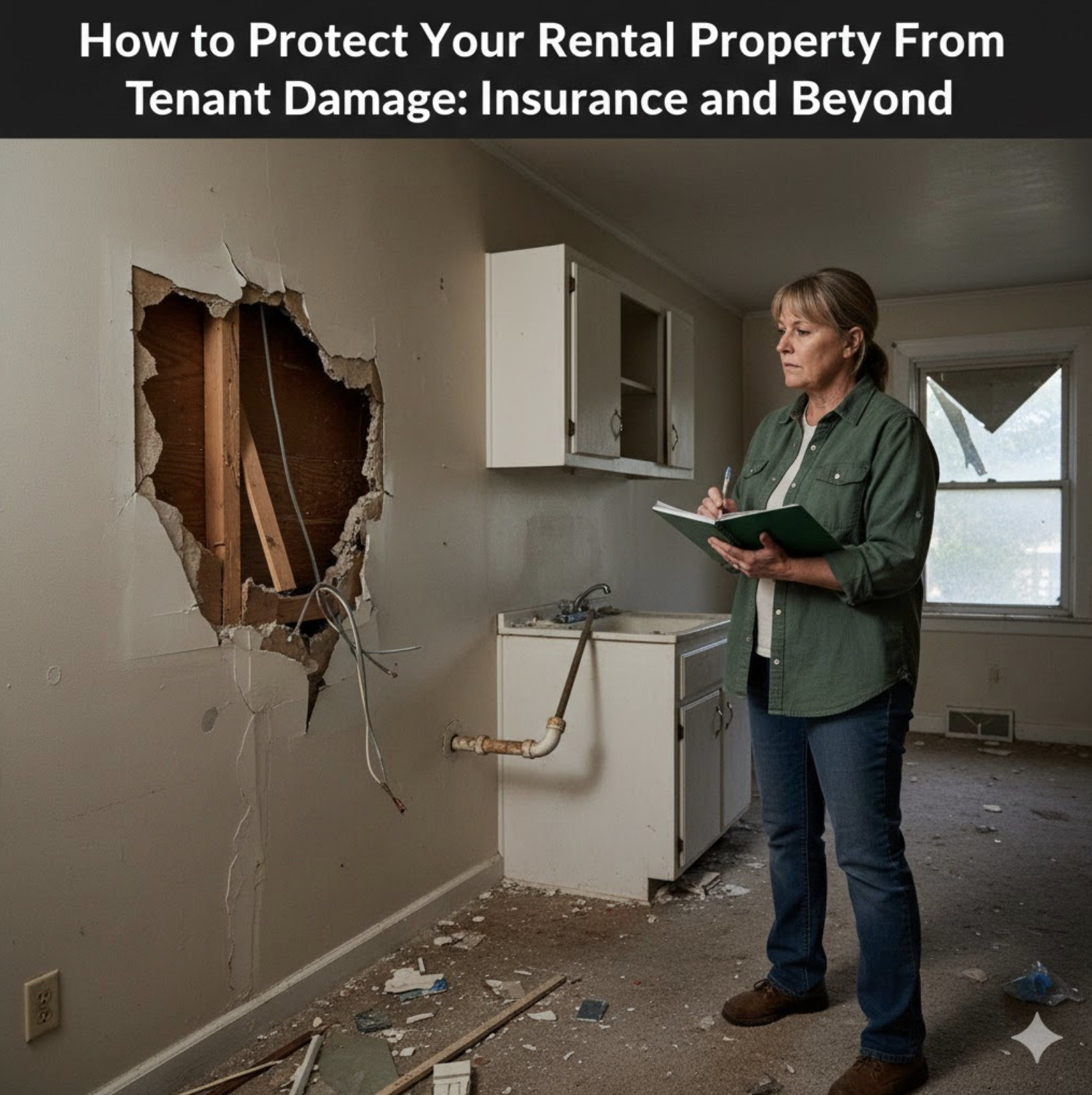
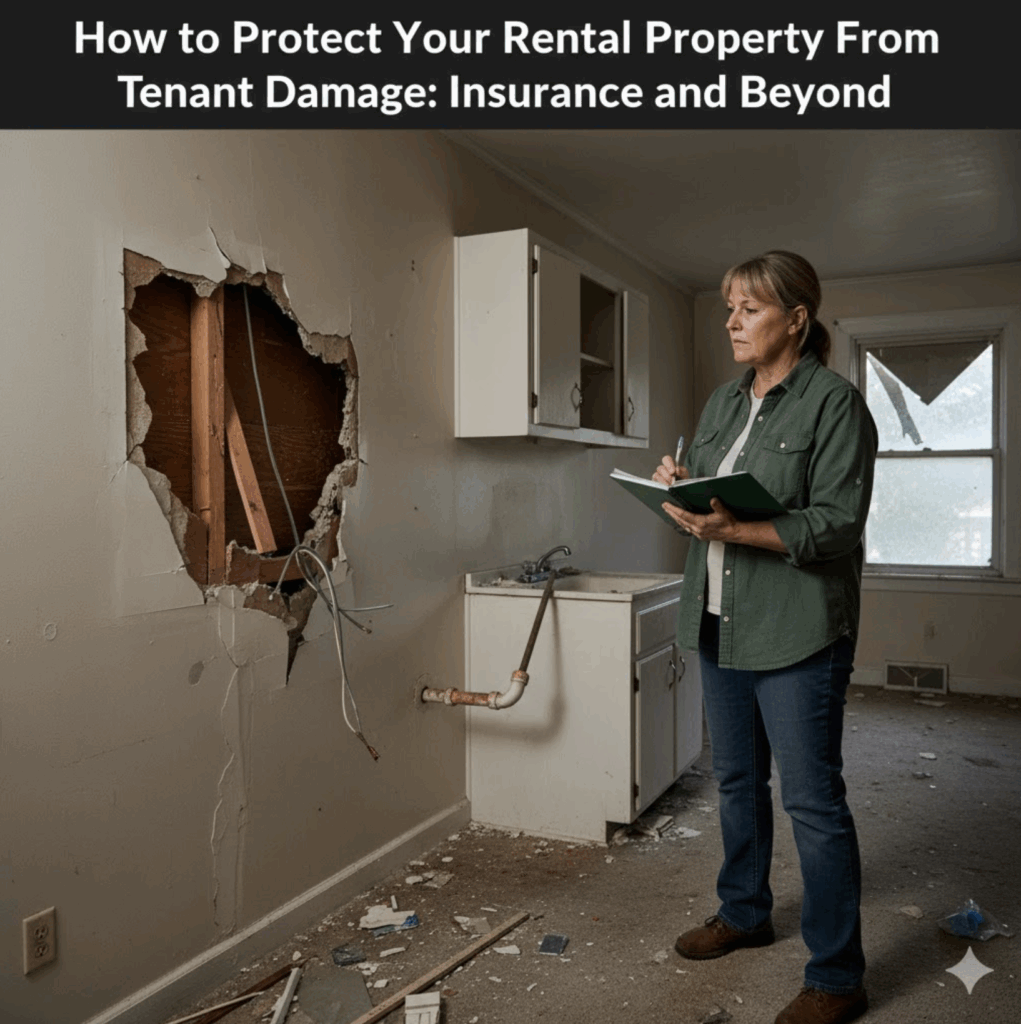
Being a landlord isn’t just about finding good tenants — it’s about protecting your investment. No matter how careful you are, tenant damage can still occur. Maybe it’s a hidden pet, a careless spill, or a leak that turns into a costly repair.
For long-term and mid-term rental owners, these small problems can quickly eat into returns. And the truth is, standard insurance rarely covers them.
Real protection means going beyond deposits and routine policies. It begins with the right lease terms, continues with smart documentation, and concludes with strong tenant damage insurance and landlord protection insurance.
This guide shows how to protect your rental property from tenant-related losses.
Why Tenant Damage Is a Growing Threat for Landlords
enant damage isn’t rare — it’s a common occurrence in the rental business. But over the past few years, the cost and frequency of that damage have quietly increased.
More tenants are staying for shorter terms. Many rentals are now furnished or used for mid-term stays by traveling professionals or digital nomads. With higher turnover and more personal use of the property, the potential for wear, breakage, and unexpected repairs grows fast.
Even responsible tenants can unintentionally cause damage — a forgotten faucet, furniture scuffs, or neglected maintenance that can turn minor issues into major expenses. These everyday accidents can add up to thousands of dollars in lost income and repair bills each year.
And here’s the kicker: standard landlord protection insurance often doesn’t provide much help. Most policies are designed for major events, such as fire, storms, or vandalism — not tenant-caused damage, neglect, or excessive wear and tear.
Meanwhile, security deposits can only go so far. In many states, they’re capped at one month’s rent, which rarely covers big repair costs, especially in furnished or upgraded units.
That’s why smart landlords are now taking a layered approach — tightening leases, improving inspections, and exploring tenant damage insurance to close the gaps left by traditional coverage.
If you’re wondering how to protect your rental property from these risks, it starts with understanding where the damage comes from — and where your protection really ends.
Step 1: Strengthen Your Lease Before Damage Happens
Your lease is the first layer of protection against tenant damage. Think of it as your rulebook and your safety net rolled into one. A strong lease doesn’t just outline rent dates — it clearly defines what constitutes damage, who is responsible for it, and how issues must be reported.
Set clear expectations
Make sure every tenant understands their responsibility to care for the property. Spell out that they’re liable for any damage caused by themselves, their guests, or their pets. Simple language works best — avoid using legal jargon that is often ignored.
Require fast reporting
Most costly repairs start as small, fixable problems. Add a clause that requires tenants to report leaks, mold, electrical issues, or safety concerns right away. Delayed reporting should be treated as tenant negligence.
Limit high-risk activity
Prohibit smoking, unauthorized pets, and unauthorized alterations. These are the most common sources of avoidable property damage. If you allow pets, specify cleaning or repair costs in advance to prevent disputes later.
Reserve the right to inspect
Schedule routine inspections — usually every six months — with proper notice. Regular visits discourage neglect and help you spot early warning signs before they turn into expensive claims.
Require renters insurance
Ask tenants to maintain renters’ insurance and list you as an interested party so you’re alerted if they cancel it. While this doesn’t replace your landlord protection insurance, it ensures tenants have coverage for their own belongings and certain liability situations.
A clear, concise lease makes it easier to recover repair costs and avoids the “he-said, she-said” drama after move-out. In many cases, it prevents damage altogether — tenants treat properties better when expectations are written and enforced.
Step 2: Use Deposits and Fees the Smart Way
Security deposits are one of the simplest tools for protecting your rental property, but they’re often misunderstood or underutilized. A deposit isn’t just a formality — it’s your first financial buffer against tenant-related losses.
Still, deposits only work when they’re handled correctly. Without documentation or clear terms, it becomes nearly impossible to prove damage or recover costs.
Document everything
Before move-in, complete a detailed inspection with your tenant. Take timestamped photos or videos of every room, appliance, and fixture in the space. Do the same at move-out. These records provide clear evidence to resolve potential disputes.
Know the legal limits
Most states cap security deposits at one to two months’ rent. That might sound fine, but for furnished or mid-term rentals, a single damaged sofa or appliance can eat through the entire amount. Stay within legal boundaries, but charge enough to cover potential issues realistically.
Add separate fees where allowed
If local regulations permit, use additional fees for predictable wear and tear.
- Pet fees or pet deposits can help offset claw marks, odors, or stains.
- Cleaning fees can cover deep cleaning after short or mid-term stays.
Always confirm what’s allowed in your area, and clearly outline these fees in the lease.
Return deposits fairly
Return the deposit quickly after move-out, deducting only verified repair costs. Transparency builds trust — and a good reputation helps attract responsible tenants who treat your property with care and respect.
Security deposits alone won’t stop tenant damage, but they serve as the first line of defense. Combined with documentation, clear communication, and proper insurance, they mitigate financial shocks and establish a foundation for accountability.

Step 3: Where Standard Landlord Insurance Falls Short
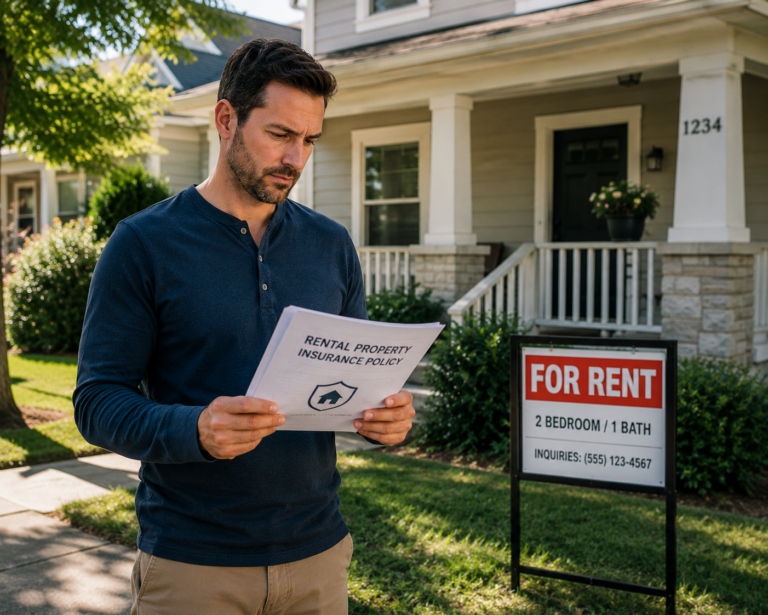
Many landlords assume their standard landlord protection insurance will cover nearly any damage to their property. Unfortunately, that’s rarely the case. Traditional policies are built to protect against major incidents — not the everyday problems caused by tenants.
Most basic landlord policies include coverage for fire, storm damage, and certain types of vandalism. They might also cover liability if someone gets hurt on the property and, insome cases, lost rent after a covered disaster. But when it comes to tenant-caused damage, most policies fall short.
What’s usually excluded
- Wear and tear: Scratches, stains, or worn carpets are seen as maintenance, not insurance matters.
- Neglect: If a tenant ignores a leaking pipe that later causes water damage, many insurers consider it preventable and won’t pay.
- Intentional or malicious damage: Unless specifically included, most standard plans exclude deliberate acts by tenants.
- Gradual deterioration: Slow leaks, mold, and pest damage typically don’t qualify as sudden or accidental events.
In other words, the majority of tenant-related issues sit in a gray area that leaves landlords footing the bill.
The financial impact
For a single-family home, a small leak under a sink can turn into thousands of dollars in repairs. For a furnished apartment, a stained couch or damaged flooring might mean a full unit refresh before the next guest arrives. With each turnover, these uninsurable expenses chip away at profits — especially for investors managing multiple units.
That’s why it’s essential to read your policy carefully and understand what’s actually covered. Standard protection is a foundation, but not a complete defense against tenant damage.
Modern landlords now look beyond the basics, layering additional tenant damage insurance on top of their existing coverage to fill these common gaps — which we’ll explore next.

Step 4: Add Tenant Damage Insurance for Real Protection
If standard landlord insurance only covers part of the picture, tenant damage insurance fills the gaps. This type of coverage is designed specifically to address the risks associated with tenants, whether accidental or intentional, and is becoming increasingly important for long-term and mid-term rentals.
Why it matters
Tenant damage can range from minor scuffs on walls to serious incidents, such as broken appliances, flooded bathrooms, or destroyed furnishings. For mid-term rentals, furnished apartments, or high-end properties, even minor damage can result in thousands of dollars in unexpected costs.
Unlike a security deposit, which is limited by law and sometimes insufficient, tenant damage insurance provides actual coverage for repairs, allowing landlords to restore the property quickly and return the unit to the market without incurring major financial loss.
How it complements standard insurance
Think of tenant damage insurance as a layer on top of your landlord protection insurance. While the traditional policy covers fire, storms, and general liability, tenant damage insurance handles:
- Accidental tenant damage to floors, walls, or appliances
- Malicious or intentional damage in some policies
- Wear from mid-term or furnished rentals that exceeds normal maintenance
Together, these coverages give landlords a more complete safety net.
Practical benefits
- Faster repair and turnover – Tenants’ mistakes don’t have to mean long vacancies.
- Financial predictability – Reduces out-of-pocket surprises from sudden damage.
- Peace of mind – Landlords can focus on operations rather than worrying about each tenant.
Even one claim can justify the cost, especially in furnished or high-turnover units. For landlords balancing multiple properties, this coverage can be the difference between breaking even and losing money in a single month.
Step 5: Layering Protections for Maximum Security
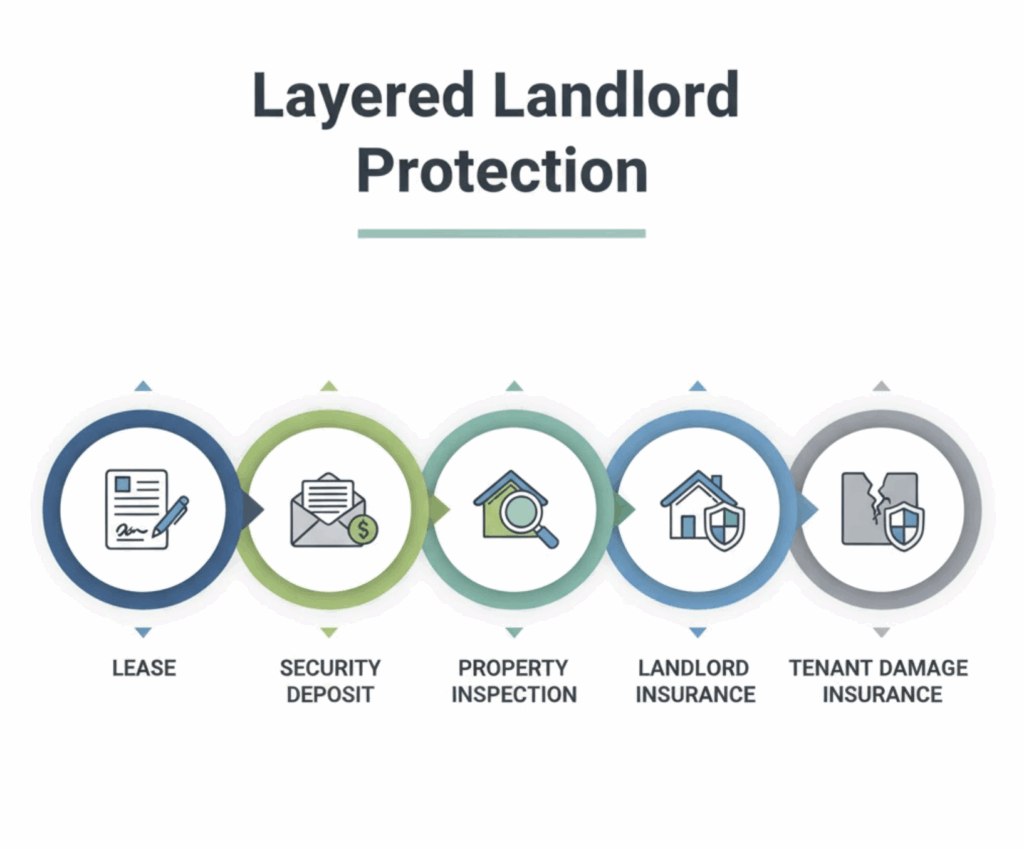
Protecting your rental property isn’t about relying on a single tool. The most successful landlords use multiple layers of protection to minimize risk and financial loss. Combiningleases, deposits, inspections, and insurance creates a system that makes tenant damage less likely to derail your business.
Start with the lease
A clear and detailed lease sets expectations from the very beginning. It defines tenant responsibility, outlines prohibited actions, and requires prompt reporting of issues. Tenants are far more likely to respect property rules when they’re written clearly and enforced consistently.
Add financial safeguards
Security deposits and, where allowed, pet or cleaning fees provide a first line of defense against potential damages. Documented properly, they can cover minor damage without the need for insurance claims. But for serious incidents, these financial tools aren’t enough on their own.
Regular inspections
Routine check-ins help catch small problems early, before they escalate. Even short visits every few months can prevent a minor leak or damaged furniture from becoming a costly repair.
Insurance as the final layer
Layering landlord protection insurance with tenant damage insurance ensures that you’re protected from events beyond your control. Standard coverage handles major disasters, while tenant-specific insurance fills the gaps caused by everyday accidents, neglect, or misuse.
This layered approach doesn’t just protect your property — it protects your income, your time, and your peace of mind. By combining proactive measures with smart insurance, landlords can effectively manage tenant risks with confidence.
How Coverlyn Helps Fill the Gaps
Even with a strong lease, deposits, and multiple layers of insurance, gaps can still exist. That’s where Coverlyn comes in. Designed for modern landlords, Coverlyn focuses on tenant-related risks that traditional policies often miss.
Whether you manage a single long-term rental or a portfolio of mid-term furnished units, Coverlyn helps ensure your protection is complete. It can cover accidental tenantdamage, certain malicious acts, and issues that might not qualify under standard landlord insurance.
The result is a smoother, faster process for recovering costs and getting your unit back on the market. Landlords no longer need to worry about how to protect rental property from everyday wear and unexpected incidents — the coverage fills in the blind spots, giving peace of mind and predictable financial security.
Conclusion
Protecting your rental property from tenant damage isn’t about one single solution. The most effective landlords combine clear lease agreements, smart deposits, regular inspections, and the right mix of insurance.
Standard landlord protection insurance covers major events, but gaps remain when it comes to everyday tenant damage. Layering tenant damage insurance addresses those blind spots, providing financial security and peace of mind.
For modern landlords managing long-term or mid-term rentals, Coverlyn helps bridge these gaps by offering coverage for tenant-related incidents that traditional policies often overlook. With the right protection in place, you can focus on growing your rental business without the constant worry of unexpected repairs.
Don’t leave your investment to chance. Take control today and secure your property with a layered protection strategy. Let Coverlyn help safeguard your rental income from tenant damage before it happens.
FAQs — Common Questions from Rental Investors
1. Can I rely solely on the security deposit?
No. Security deposits are limited by law and typically do not cover significant damage. They act as your first line of defense, but should always be supplemented with proper lease clauses and insurance for comprehensive protection.
2. Does landlord protection insurance cover tenant damage?
Not usually. Standard policies are designed to cover fire, storms, vandalism, and liability. Tenant-caused damage, neglect, or gradual wear and tear often falls outside the coverage.
3. Is tenant damage insurance worth it for long-term tenants?
Yes. Even for tenants with long leases, accidents can still occur. For furnished or upgraded units, a single claim can cost thousands, making tenant damage insurance a worthwhile investment.
4. What about mid-term rentals (30–90+ days)?
Mid-term rentals have higher turnover and more frequent use of furniture and appliances. This increases the risk of wear and accidental damage, making layered protection — lease, deposit, inspections, insurance — essential.
5. How can I minimize tenant damage without being overly strict?
Balance accountability with fairness. Set reasonable deposits, clearly outline responsibilities, require renters insurance, and maintain open communication. Tenants are more likely to care for your property when rules are fair and transparent.
6. Can tenant damage insurance cover intentional damage?
Some policies include coverage for malicious or intentional damage, but it depends on the provider. Always read policy details carefully to understand what is covered.
7. How do I document damage to support claims?
Take timestamped photos or videos at move-in and move-out, and note the condition of all fixtures, appliances, and furniture. Documenting inspections throughout tenancy helps validate insurance claims and deposit deductions.